
The Saint Alexander Hoodie has become more than just a piece of clothing. It represents how streetwear hoodies evolved from basic sportswear into powerful cultural symbols worn across the world.
The journey of the Saint Alexander Hoodie reflects how fashion, music, sports, and youth identity all merged into one global movement. Today, hoodies are not just about comfort—they are about expression, belonging, and attitude.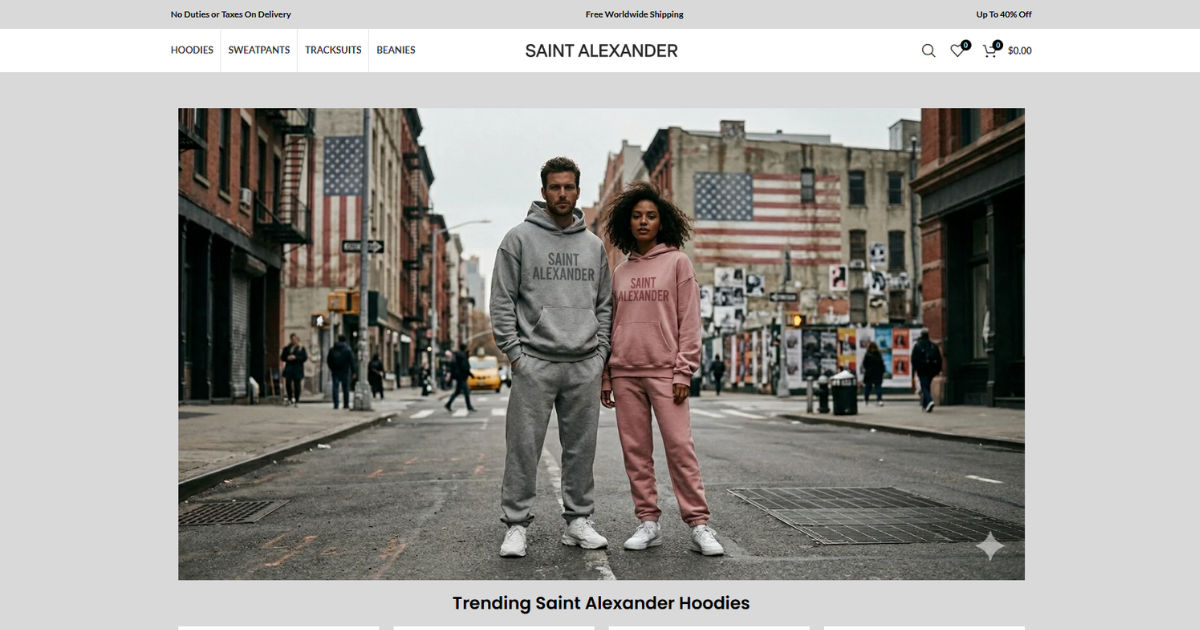
To understand this transformation, we need to explore how streetwear hoodies grew from functional apparel into a cultural force. The story includes skate parks, hip-hop stages, luxury runways, and digital influencers.
The Saint Alexander Hoodie appears repeatedly in modern streetwear discussions because it symbolizes this shift from utility to identity.
This guide will break down that evolution in detail and explain why hoodies have become one of the most powerful fashion items in modern culture.
The Early Origins of Hoodies: From Function to Fashion
Before hoodies became cultural icons, they were simple workwear garments. In the 1930s, American sportswear companies created hooded sweatshirts for laborers working in cold warehouses and outdoor environments.
The main goal was practical:
- Keep workers warm
- Protect against wind and rain
- Provide comfort during physical labor
At that time, nobody imagined that hoodies like the Saint Alexander Hoodie would later become fashion statements.
Athletes also began using hoodies for training. Boxers, runners, and football players appreciated the warmth and flexibility. Slowly, the hoodie moved from industrial wear into sports culture, setting the stage for its future transformation.
Street Culture and the Birth of Streetwear Identity
Streetwear as a fashion movement began growing in the late 1970s and 1980s. It was heavily influenced by skateboarding, graffiti art, and urban youth culture.
Skaters needed clothing that was:
- Durable
- Comfortable
- Easy to move in
Hoodies fit perfectly into this lifestyle. The loose fit and protective hood made them ideal for skating outdoors.
This is where hoodies started gaining identity value. Wearing a hoodie was no longer just about warmth—it was about belonging to a subculture.
The Saint Alexander Hoodie represents this shift in modern streetwear, connecting past skate culture with today’s fashion-forward youth.
Hip-Hop Influence: Hoodies as a Symbol of Power and Expression
One of the biggest turning points for hoodies was their adoption by hip-hop culture in the 1980s and 1990s.
Rappers and hip-hop artists used hoodies to express:
- Rebellion
- Identity
- Urban reality
- Resistance to mainstream fashion
In music videos, concerts, and street performances, hoodies became a visual symbol of authenticity.
Artists wore hoodies to show they were grounded in real street life, not just commercial image-building. This gave hoodies emotional meaning.
Today, modern streetwear brands like the Saint Alexander Hoodie continue to reflect this hip-hop influence by combining bold designs with cultural storytelling.
The Hoodie as a Symbol of Anonymity and Rebellion
As hoodies grew in popularity, they also gained a more complex social meaning. The hood itself became symbolic.
A hood can represent:
- Privacy
- Mystery
- Protection
- Rebellion
In many urban settings, wearing a hoodie became associated with anonymity. This created both positive and negative perceptions.
On one hand, it represented individuality and independence. On the other hand, it was sometimes unfairly linked to stereotypes.
Despite this, hoodies continued to grow in popularity because young people embraced them as a way to express freedom.
The Saint Alexander Hoodie often reflects this dual meaning—fashion-forward yet rooted in street authenticity.
Skateboarding Culture and the Spread of Hoodies
Skateboarding played a major role in making hoodies mainstream within youth culture.
Skaters valued hoodies for practical reasons:
- Protection during falls
- Easy layering
- Relaxed fit for movement
But beyond function, hoodies became part of skate identity. Skate brands began producing graphic hoodies that reflected rebellion, creativity, and individuality.
Skate videos, magazines, and competitions helped spread hoodie culture globally. Soon, the hoodie was no longer limited to sports or labor—it became street fashion.
The Saint Alexander Hoodie fits into this legacy by blending skate-inspired comfort with modern design aesthetics.
The Rise of Streetwear Brands and Branding Culture
In the 2000s, streetwear evolved into a global fashion industry. Brands like Supreme, Stüssy, and Off-White turned hoodies into high-demand luxury items.
This era introduced a new idea:
Streetwear is not just clothing—it is branding.
Hoodies became:
- Limited edition collectibles
- Status symbols
- Cultural identity markers
The Saint Alexander Hoodie represents this modern phase where design, branding, and cultural meaning come together.
People no longer bought hoodies only for warmth—they bought them for identity and exclusivity.
Celebrity Influence: How Stars Made Hoodies Iconic
Celebrities played a huge role in turning hoodies into cultural icons.
Musicians, athletes, and actors frequently wore hoodies in public, interviews, and performances. This included:
- Hip-hop artists
- NBA players
- Hollywood actors
- Social media influencers
When celebrities wore hoodies, fans followed. This created global demand.
The hoodie became a bridge between everyday fashion and celebrity lifestyle.
The Saint Alexander Hoodie gained recognition in this environment, where celebrity culture heavily influences fashion trends.
Social Media and the Global Hoodie Explosion
Social media platforms completely changed how fashion spreads.
Instagram, TikTok, and YouTube allowed streetwear trends to go viral instantly. Hoodies became one of the most photographed and shared clothing items.
Key reasons for hoodie popularity online:
- Easy to style
- Works in all seasons
- Looks good in photos
- Fits multiple fashion aesthetics
The Saint Alexander Hoodie often appears in online fashion communities because it fits modern visual trends: clean design, strong identity, and versatile styling.
Social media turned hoodies into global fashion language understood by youth everywhere.
Luxury Fashion Meets Streetwear
One of the most important cultural shifts in fashion was the merging of luxury brands with streetwear.
High-end designers began collaborating with streetwear labels. Hoodies appeared on luxury runways in Paris, Milan, and New York.
This blurred the line between:
- High fashion
- Street fashion
Suddenly, a hoodie could cost hundreds or even thousands of dollars.
The Saint Alexander Hoodie fits into this evolution by showing how streetwear can be both casual and premium at the same time.
This crossover gave hoodies a new level of cultural respect.
Why Hoodies Became a Global Identity Symbol
Hoodies became popular worldwide because they connect with universal human needs:
- Comfort
- Protection
- Self-expression
- Identity
No matter the country or culture, people relate to these needs.
Hoodies also allow people to express individuality without needing words. A design, logo, or style can communicate personality.
The Saint Alexander Hoodie symbolizes this global identity trend, where fashion is not just clothing but communication.
Psychological Appeal of Hoodies
Hoodies also have psychological importance.
People often feel:
- Safe when wearing hoodies
- Confident in relaxed clothing
- More themselves without pressure
The hood itself creates a sense of personal space in public environments.
This emotional connection is one reason hoodies remain timeless.
The Saint Alexander Hoodie taps into this psychology by combining comfort with aesthetic confidence.
Modern Streetwear Culture Today
Today, streetwear is one of the most influential fashion movements in the world.
It is shaped by:
- Music
- Sports
- Social media
- Youth culture
- Global trends
Hoodies remain at the center of this movement.
Modern designs focus on:
- Minimalism
- Oversized fits
- Graphic storytelling
- Limited drops
The Saint Alexander Hoodie represents this modern identity, blending cultural history with contemporary design.
The Future of Hoodies in Fashion
The future of hoodies looks even more innovative. Designers are experimenting with:
- Smart fabrics
- Sustainable materials
- Tech-integrated clothing
- Gender-neutral designs
Streetwear will continue evolving, but hoodies will remain a core item.
The Saint Alexander Hoodie shows how a hoodie can stay relevant by adapting to culture while keeping its original identity.
Conclusion: Why Hoodies Became More Than Just Clothing
The journey of streetwear hoodies shows how fashion evolves with society. What started as practical workwear became a global cultural symbol shaped by music, sports, art, and digital media.
The hoodie represents comfort, identity, rebellion, and creativity all at once. It connects people across cultures and generations.
The Saint Alexander Hoodie reflects this entire evolution—from functional clothing to cultural expression. It stands as an example of how modern streetwear blends history with innovation.
Today, hoodies are not just worn—they are experienced. They tell stories, represent communities, and express individuality without words.
That is why streetwear hoodies became cultural icons, and why they will continue to shape fashion for years to come.