
Streetwear has grown from a niche culture into a global fashion movement. Today, people don’t just look at colors or logos anymore. They notice how clothing feels, moves, and layers on the body.
This is where texture becomes powerful. In modern streetwear, texture is not just a detail—it is the identity of the outfit.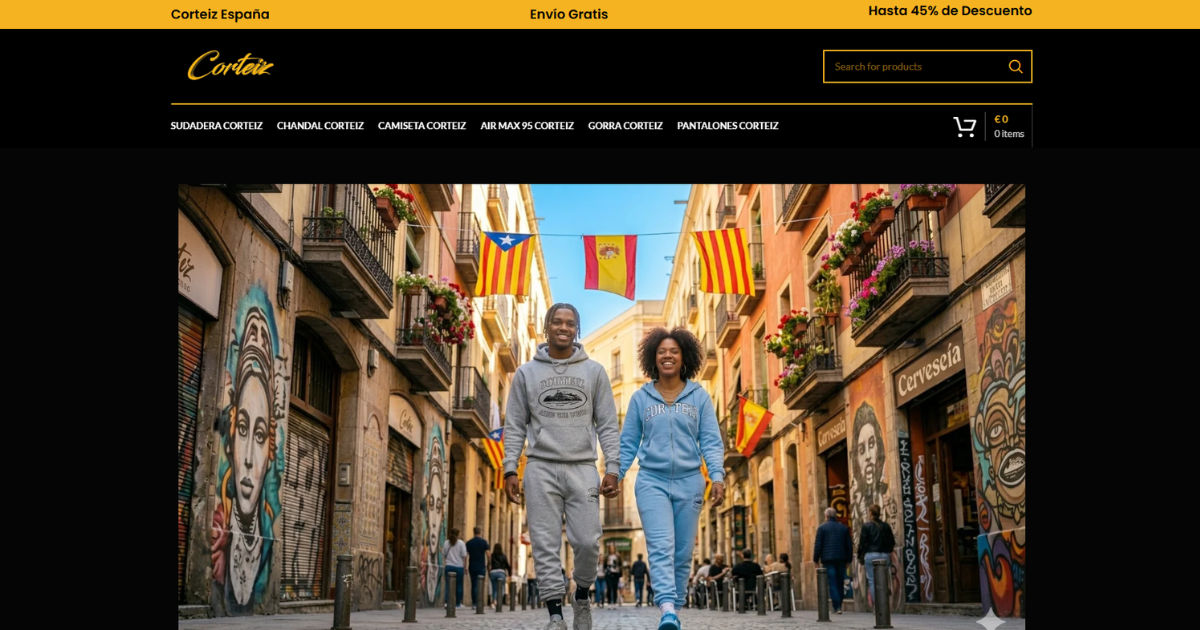
One example often seen in conversations about premium streetwear aesthetics is chandal corteiz, which reflects how texture and material choices can shape perception and style.
When we talk about chandal corteiz, we are also talking about how fabric weight, softness, stitching, and surface design influence the overall look. Texture helps streetwear stand out in crowded fashion spaces.
Without texture, outfits feel flat, repetitive, and less expressive. That is why brands and designers invest heavily in material selection and fabric engineering.
In this guide, we will explore why texture matters so much in streetwear, how it influences styling decisions, and why pieces like chandal corteiz are often discussed when talking about modern urban fashion. You will also learn how texture connects to comfort, identity, layering, and cultural meaning.
Understanding Texture in Streetwear Fashion
Texture refers to how a fabric looks and feels. In streetwear, it is one of the most important design elements. While formal fashion often focuses on structure and tailoring, streetwear depends heavily on casual comfort and visual depth.
A hoodie, for example, can look completely different depending on whether it is made from smooth cotton, heavy fleece, or washed fabric. This is why items like chandal corteiz stand out—they often combine strong fabric quality with unique surface finishes.
Texture affects how light hits clothing, how it drapes on the body, and even how people perceive its value. A rough or heavy texture can create a rugged, urban feel. A soft and smooth texture can create a relaxed and minimal vibe.
Streetwear designers use texture to tell stories. Every fabric choice communicates something about identity, culture, and attitude.
The Emotional Impact of Texture
One reason texture matters in streetwear is emotional response. People connect with clothing not just visually, but physically. The feel of fabric against skin influences comfort and confidence.
Wearing something like chandal corteiz can create a sense of security and style at the same time. If the material is soft but structured, it balances comfort with presence. This emotional connection is often overlooked but extremely powerful in fashion psychology.
Texture can make clothing feel premium or basic. It can also affect how long someone wears an outfit during the day. If a fabric feels uncomfortable, even the best design loses value.
Streetwear thrives on emotional expression, and texture plays a direct role in that experience.
How Texture Defines Streetwear Identity
Streetwear is deeply connected to identity. It is more than clothing—it represents culture, lifestyle, and individuality. Texture helps define this identity by giving outfits a unique visual signature.
For example, oversized hoodies with heavy cotton texture create a relaxed, bold identity. Smooth nylon jackets give a futuristic and sporty identity. Pieces like chandal corteiz often combine these effects, creating a balance between luxury and street culture.
Texture also helps people stand out without relying on loud prints or logos. A simple outfit can look highly fashionable if the fabric has depth and character.
This is why designers experiment with washed effects, distressed materials, and layered textiles. Each texture choice becomes part of the wearer’s identity.
The Role of Fabric Weight and Structure
Fabric weight is another key part of texture. Heavier fabrics often feel more premium and structured, while lighter fabrics feel casual and breathable.
In streetwear, both types are important. Heavy fabric hoodies and tracksuits like chandal corteiz create a strong silhouette. They hang well on the body and give a sense of durability. On the other hand, lighter fabrics are used for layering and movement.
Structure also affects how clothing fits different body types. A structured garment can shape the body, while a loose structure allows freedom and flow.
Designers carefully choose fabric weight depending on the message they want to deliver. A heavier texture often signals luxury and durability, while lighter textures suggest comfort and flexibility.
Texture and Layering in Streetwear
Layering is a core technique in streetwear styling. Texture makes layering more interesting and visually appealing.
When different textures are combined, outfits gain depth. For example, pairing a smooth t-shirt under a rough jacket creates contrast. Adding a textured hoodie like chandal corteiz under a sleek coat enhances this effect even more.
Without texture variation, layering looks flat. With texture variation, outfits become dynamic and expressive.
Streetwear fans often experiment with mixing fabrics like denim, fleece, nylon, and cotton. Each material adds a different visual and tactile element.
Layering is not just about warmth—it is about storytelling through fabric combinations.
Cultural Influence on Texture in Streetwear
Streetwear is heavily influenced by culture, music, and urban life. Texture plays a role in reflecting these influences.
Hip-hop culture, skate culture, and sportswear all contributed to how texture is used today. Baggy clothing, rugged fabrics, and comfortable materials became symbols of authenticity.
Items like chandal corteiz often reflect this cultural background. The texture communicates a connection to street culture, where practicality and style meet.
Different regions also influence texture preferences. Some cultures prefer minimal smooth textures, while others prefer bold and heavy materials.
This cultural variation makes streetwear diverse and constantly evolving.
Texture as a Symbol of Quality and Luxury
In modern fashion, texture is often linked to quality. Even without visible branding, high-quality fabric can signal luxury.
Streetwear brands use texture to elevate simple designs. A plain hoodie with premium fabric feels more valuable than a heavily printed low-quality one.
This is where pieces like chandal corteiz gain attention. The texture gives the impression of craftsmanship and attention to detail.
Luxury in streetwear is not always about price—it is about how something feels and performs over time.
Durability, softness, and fabric consistency all contribute to perceived value.
The Science Behind Fabric Texture
Texture is not just artistic—it is also scientific. Fabric structure depends on fiber type, weaving method, and finishing process.
Cotton, polyester, fleece, and nylon all create different textures. For example:
- Cotton gives a soft and breathable feel
- Fleece adds warmth and thickness
- Nylon provides smooth and shiny surfaces
Designers mix these materials to create unique experiences. A garment like chandal corteiz often uses carefully selected blends to balance comfort and durability.
Finishing techniques like washing, brushing, and dyeing also affect texture. These processes can make fabric feel aged, soft, or structured.
Understanding this science helps explain why some clothing feels better than others.
Texture and Movement in Streetwear
Streetwear is meant to be worn in motion. Whether walking, dancing, or skating, movement is part of the lifestyle.
Texture affects how clothing moves with the body. Lightweight textures flow easily, while heavy textures create strong silhouettes.
Outfits like chandal corteiz are often designed to maintain shape while still allowing movement. This balance is essential in streetwear design.
When fabric moves well, it enhances confidence and comfort. It also improves visual appeal, especially in photography and social media.
Movement and texture work together to bring clothing to life.
How Texture Influences Styling Choices
When people style streetwear outfits, texture often guides their decisions. Even without realizing it, individuals choose combinations based on fabric feel.
For example, pairing rough denim with soft cotton creates contrast. Adding a structured piece like chandal corteiz can anchor the entire outfit.
Stylists use texture to create balance. If one piece is too heavy, they counter it with something light. If one fabric is too smooth, they add something rough or layered.
This balance prevents outfits from looking repetitive or dull.
Texture is often the hidden factor behind well-styled streetwear looks.
The Future of Texture in Streetwear Design
As fashion evolves, texture is becoming even more important. New technologies allow designers to create innovative fabrics with unique properties.
We are seeing fabrics that change color, adjust temperature, or combine multiple textures in one material.
Streetwear pieces like chandal corteiz represent this evolution by focusing on both comfort and design innovation.
In the future, texture will likely become more interactive and personalized. Wearers may choose how their clothing feels depending on mood or environment.
This will make texture not just a design element, but a customizable experience.
Conclusion: Why Texture Will Always Matter
Texture is the foundation of modern streetwear. It influences comfort, identity, culture, and style. Without texture, streetwear would lose its depth and meaning.
Throughout this guide, we explored how texture shapes emotional response, layering, identity, and fashion value. Items like chandal corteiz highlight how important fabric choice is in creating meaningful streetwear pieces.
Texture is not just about how clothing feels—it is about how it communicates. It tells stories, builds confidence, and connects people to culture.
As streetwear continues to evolve, texture will remain one of its strongest design tools. Whether through heavy fabrics, smooth finishes, or layered materials, texture will always define how streetwear is experienced and understood.
In the end, fashion is not only what you wear—it is how it feels, and texture is at the heart of that experience.