
Façade design has always played a crucial role in shaping the identity, performance, and sustainability of buildings. In recent decades, the way façades are designed and constructed has changed dramatically.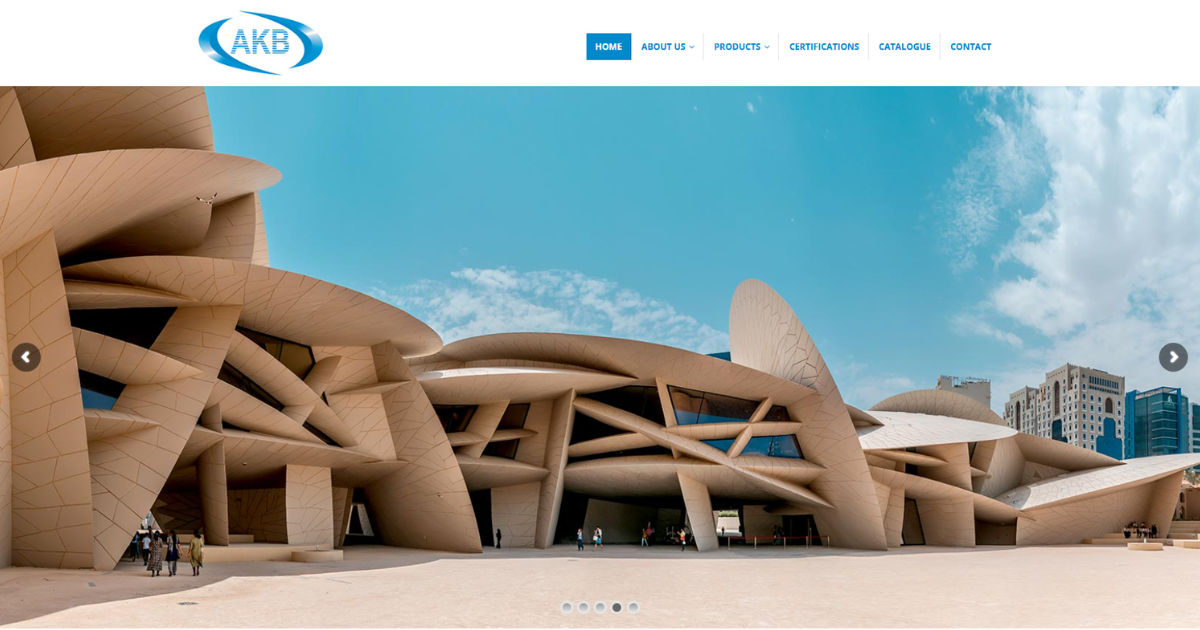
One of the key innovations driving this transformation is the use of ACP cladding systems. These systems have become a cornerstone in modern architecture due to their versatility, durability, and aesthetic appeal.
As cities grow taller and smarter, façades are no longer just outer shells. They are intelligent systems that respond to climate, improve energy efficiency, and enhance user comfort.
The rise of ACP cladding systems reflects this shift toward performance-driven design while maintaining creative freedom.
This comprehensive guide explores how façade trends have evolved over time, what factors have influenced these changes, and how modern solutions like ACP cladding systems are shaping the future of architecture.
Façades: The Basics
A façade is the exterior face of a building, often the most visible and expressive part. Traditionally, façades were designed mainly for protection against weather and to provide structural stability.
Over time, their role expanded. Today, façades are responsible for:
- Controlling heat and light
- Enhancing energy efficiency
- Providing acoustic insulation
- Defining architectural identity
Modern materials like ACP cladding systems have made it easier to meet all these requirements simultaneously.
Historical Evolution of Façade Design
Early Architecture: Function Over Form
In ancient civilizations, façades were built using stone, mud, or wood. The focus was primarily on durability and protection. Decorative elements existed, but they were limited by available materials and technology.
Classical and Medieval Periods
During these periods, façades became more decorative. Stone carvings, arches, and symmetry defined building exteriors. However, functionality was still basic, with little attention to energy efficiency.
Industrial Revolution
The introduction of steel and glass transformed façade design. Buildings became taller and lighter. Curtain walls emerged, allowing more natural light into interiors.
Modern Era
The 20th century brought innovation in materials and construction techniques. This is when systems like ACP cladding systems began to gain popularity due to their lightweight nature and ease of installation.
Key Drivers Behind Changing Façade Trends
Technological Advancements
Technology has been a major force behind evolving façade trends. Digital tools now allow architects to design complex shapes and simulate environmental performance.
Materials like ACP cladding systems are engineered for precision, enabling faster construction and better results.
Sustainability and Energy Efficiency
With growing concerns about climate change, façades are now designed to reduce energy consumption. Insulated panels and reflective surfaces help regulate building temperature.
ACP cladding systems contribute to sustainability by improving thermal performance and reducing energy costs.
Urbanization
As cities become denser, buildings must maximize space while maintaining visual appeal. Façades are used to create identity in crowded urban environments.
Aesthetic Innovation
Modern architecture emphasizes creativity. Façades are now dynamic, colorful, and expressive. The flexibility of ACP cladding systems allows architects to experiment with textures, finishes, and shapes.
Rise of Modern Materials in Façade Design
Glass and Curtain Walls
Glass façades became popular for their transparency and ability to connect indoor and outdoor spaces. However, they often struggle with heat gain and energy efficiency.
Metal Panels
Metal panels introduced durability and modern aesthetics. Among them, ACP cladding systems stand out due to their lightweight structure and adaptability.
Composite Materials
Composite materials combine the strengths of different elements. ACP cladding systems are a perfect example, offering strength, flexibility, and resistance to weather.
What Are ACP Cladding Systems?
ACP cladding systems refer to Aluminum Composite Panel systems used to cover building exteriors. They consist of two aluminum sheets bonded to a non-aluminum core.
These systems are widely used because they offer:
- Lightweight construction
- High durability
- Weather resistance
- Easy installation
- Wide range of finishes
Their growing popularity reflects the shift toward efficient and modern façade solutions.
How ACP Cladding Systems Changed Façade Trends
Enhanced Design Flexibility
Architects can create unique shapes and patterns using ACP cladding systems. This flexibility has led to more creative and visually striking buildings.
Faster Construction
Traditional materials require more time and labor. ACP cladding systems simplify installation, reducing project timelines.
Improved Performance
These systems provide better insulation and protection against environmental factors, making buildings more comfortable and energy-efficient.
Sustainability in Modern Façades
Green Building Movement
Sustainability is now a top priority in architecture. Buildings are designed to minimize environmental impact.
Role of ACP Cladding Systems
ACP cladding systems support sustainability by:
- Reducing heat transfer
- Enhancing insulation
- Lowering energy consumption
They also contribute to long-term durability, reducing the need for frequent repairs.
Smart Façades: The Future of Building Envelopes
What Are Smart Façades?
Smart façades use technology to adapt to environmental conditions. They can adjust shading, ventilation, and lighting automatically.
Integration with ACP Cladding Systems
Modern ACP cladding systems can be integrated with smart technologies to create responsive building envelopes.
Benefits
- Improved energy efficiency
- Enhanced occupant comfort
- Reduced operational costs
Aesthetic Trends in Façade Design
Minimalism
Clean lines and simple forms are popular in modern architecture. ACP cladding systems support this trend with smooth finishes and uniform appearance.
Bold Colors and Textures
Architects are experimenting with vibrant colors and textures. The versatility of ACP cladding systems makes it easy to achieve these effects.
Mixed Materials
Combining different materials creates visual interest. ACP cladding systems are often used alongside glass, wood, and stone.
Challenges in Modern Façade Design
Environmental Concerns
While materials have improved, sustainability remains a challenge. Architects must balance aesthetics with environmental impact.
Cost Considerations
Advanced façade systems can be expensive. However, ACP cladding systems offer a cost-effective solution without compromising quality.
Maintenance
Modern façades require regular maintenance. Durable materials like ACP cladding systems help reduce long-term maintenance needs.
Regional Influences on Façade Trends
Climate
Façade design varies based on climate. In hot regions, reflective and insulated materials are preferred.
Cultural Factors
Architecture reflects local culture and traditions. ACP cladding systems allow customization to match regional styles.
Urban Context
In dense cities, façades must stand out while fitting into the surrounding environment.
The Role of Digital Design Tools
Building Information Modeling (BIM)
BIM allows architects to design and analyze façades before construction. This improves accuracy and efficiency.
Parametric Design
Parametric tools enable complex geometries. ACP cladding systems can be shaped to fit these designs.
Simulation Software
Simulation tools help evaluate performance, ensuring that façades meet energy and environmental standards.
Future Trends in Façade Design
Adaptive Systems
Future façades will be more responsive to environmental changes. ACP cladding systems will likely evolve to support these innovations.
Sustainable Materials
The demand for eco-friendly materials will continue to grow.
Integration with Renewable Energy
Façades may incorporate solar panels and other energy-generating technologies.
Why ACP Cladding Systems Will Continue to Dominate
The popularity of ACP cladding systems is expected to grow due to their numerous advantages:
- Versatility in design
- Cost-effectiveness
- Durability and longevity
- Ease of installation
As façade trends continue to evolve, these systems will remain a key component in modern architecture.
Practical Tips for Choosing Façade Systems
Consider Climate
Choose materials that perform well in your local climate.
Focus on Energy Efficiency
Look for systems that improve insulation and reduce energy use.
Evaluate Aesthetics
Select materials that align with your design vision.
Choose Reliable Materials
ACP cladding systems are a reliable option for both residential and commercial projects.
Conclusion
Façade design has come a long way from simple protective structures to complex, high-performance systems. The evolution of materials, technology, and design philosophies has transformed how buildings interact with their environment.
One of the most significant developments in this journey is the rise of ACP cladding systems. These systems have redefined what is possible in façade design, offering a perfect balance of aesthetics, functionality, and sustainability.
As we move into the future, façades will become even more intelligent and responsive. The integration of smart technologies, sustainable materials, and innovative design approaches will continue to shape the built environment.
In this ever-changing landscape, ACP cladding systems will remain at the forefront, enabling architects and builders to create structures that are not only visually stunning but also environmentally responsible and highly efficient.
The transformation of façade trends reflects a broader shift in architecture—one that prioritizes performance, sustainability, and human experience. By understanding these changes, we can better appreciate the role façades play in shaping the world around us.