
font-family: Arial, sans-serif;
line-height: 1.6;
color: #333;
max-width: 1200px;
margin: 0 auto;
padding: 20px;
}
header {
background-color: #005b96;
color: white;
padding: 20px;
text-align: center;
border-radius: 8px;
margin-bottom: 30px;
}
h1 {
margin: 0;
font-size: 2.2em;
}
h2 {
color: #005b96;
border-bottom: 2px solid #005b96;
padding-bottom: 5px;
}
.content-container {
display: flex;
gap: 30px;
margin-bottom: 30px;
}
.main-content {
flex: 3;
}
.sidebar {
flex: 1;
background-color: #f5f5f5;
padding: 20px;
border-radius: 8px;
}
img {
max-width: 100%;
height: auto;
border-radius: 8px;
margin: 20px 0;
box-shadow: 0 4px 8px rgba(0,0,0,0.1);
}
.highlight-box {
background-color: #e6f2ff;
padding: 15px;
border-left: 4px solid #005b96;
margin: 20px 0;
border-radius: 0 8px 8px 0;
}
table {
width: 100%;
border-collapse: collapse;
margin: 25px 0;
box-shadow: 0 2px 3px rgba(0,0,0,0.1);
}
th, td {
border: 1px solid #ddd;
padding: 12px;
text-align: left;
}
th {
background-color: #005b96;
color: white;
}
tr:nth-child(even) {
background-color: #f2f2f2;
}
.cta-button {
display: inline-block;
background-color: #28a745;
color: white;
padding: 12px 24px;
text-decoration: none;
border-radius: 5px;
font-weight: bold;
margin-top: 15px;
transition: background-color 0.3s;
}
.cta-button:hover {
background-color: #218838;
}
footer {
text-align: center;
margin-top: 40px;
padding: 20px;
background-color: #f5f5f5;
border-radius: 8px;
}
How cutting-edge simulation technology is transforming healthcare education and emergency response training
The Critical Need for Advanced Medical Training Simulators
In high-stakes medical environments, there's no room for error. Hospitals, medical schools, and emergency responders are increasingly turning to advanced simulation technology to train professionals in life-saving interventions without risking patient safety. These sophisticated systems create realistic, risk-free environments where trainees can practice critical procedures repeatedly until they achieve mastery.
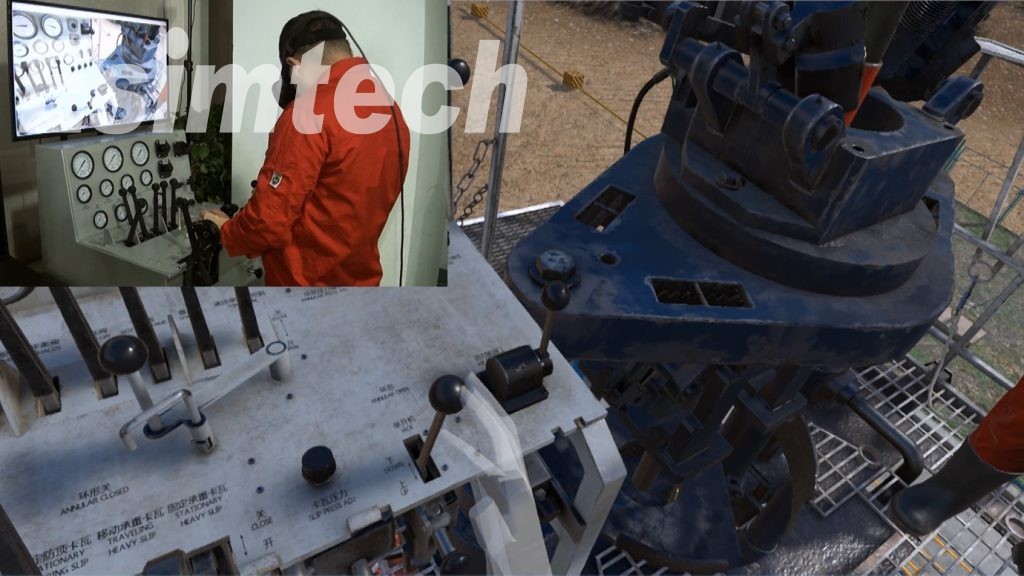
The benefits of medical simulation training are clear: improved patient outcomes, reduced medical errors, and increased confidence among healthcare providers. Similar to how well intervention simulators have transformed oilfield training, medical simulators are revolutionizing healthcare education.
Key Advantages of Medical Training Simulators
- Safe environment for practicing high-risk procedures
- Immediate feedback and performance metrics
- Standardized training across institutions
- Ability to simulate rare but critical scenarios
- Cost-effective compared to traditional training methods
Bridging Industries: Lessons from Oilfield Simulation Technology
Interestingly, the medical field can learn much from other industries that have long relied on simulation training. The oil and gas sector, for instance, uses sophisticated snubbing simulators to train workers in complex, dangerous operations without exposing them to actual field risks.
These industrial simulators share common features with their medical counterparts: realistic physics engines, scenario variability, and comprehensive performance tracking. The healthcare industry is now adopting similarly advanced technologies to prepare medical professionals for emergency situations.
Essential Features of Modern Medical Training Simulators
| Feature | Description | Benefit |
|---|---|---|
| Haptic Feedback | Realistic tactile sensations that mimic actual procedures | Develops proper technique and muscle memory |
| Dynamic Scenarios | Patient conditions that change in response to interventions | Trains adaptive thinking and decision-making |
| Performance Analytics | Detailed metrics on procedure accuracy and timing | Enables targeted improvement and competency assessment |
| Multiplayer Mode | Ability to train entire teams simultaneously | Improves communication and teamwork in emergencies |
| VR Integration | Immersive virtual reality environments | Enhances realism and engagement |
Implementing Simulation Training in Your Institution
For hospitals and medical schools looking to integrate advanced simulation technology, consider these steps:
- Assess your training needs and identify key procedures requiring simulation
- Evaluate different simulator options based on fidelity, features, and cost
- Develop a phased implementation plan with measurable objectives
- Train instructors on optimal use of the simulation equipment
- Integrate simulation training into your existing curriculum
- Regularly evaluate outcomes and adjust your program accordingly
Just as coiled tubing simulators have become standard in oilfield training, medical simulators are quickly becoming essential tools in healthcare education. The investment pays dividends in improved patient care, reduced liability, and better-prepared medical professionals.
Key Statistics
Studies show that medical simulation training:
- Reduces medical errors by up to 40%
- Improves procedural success rates by 30-50%
- Shortens learning curves for complex procedures
- Increases trainee confidence by 75%
Future Trends
The next generation of medical simulators will feature:
- AI-driven adaptive scenarios
- Enhanced haptic feedback systems
- Seamless VR/AR integration
- Cloud-based performance tracking