
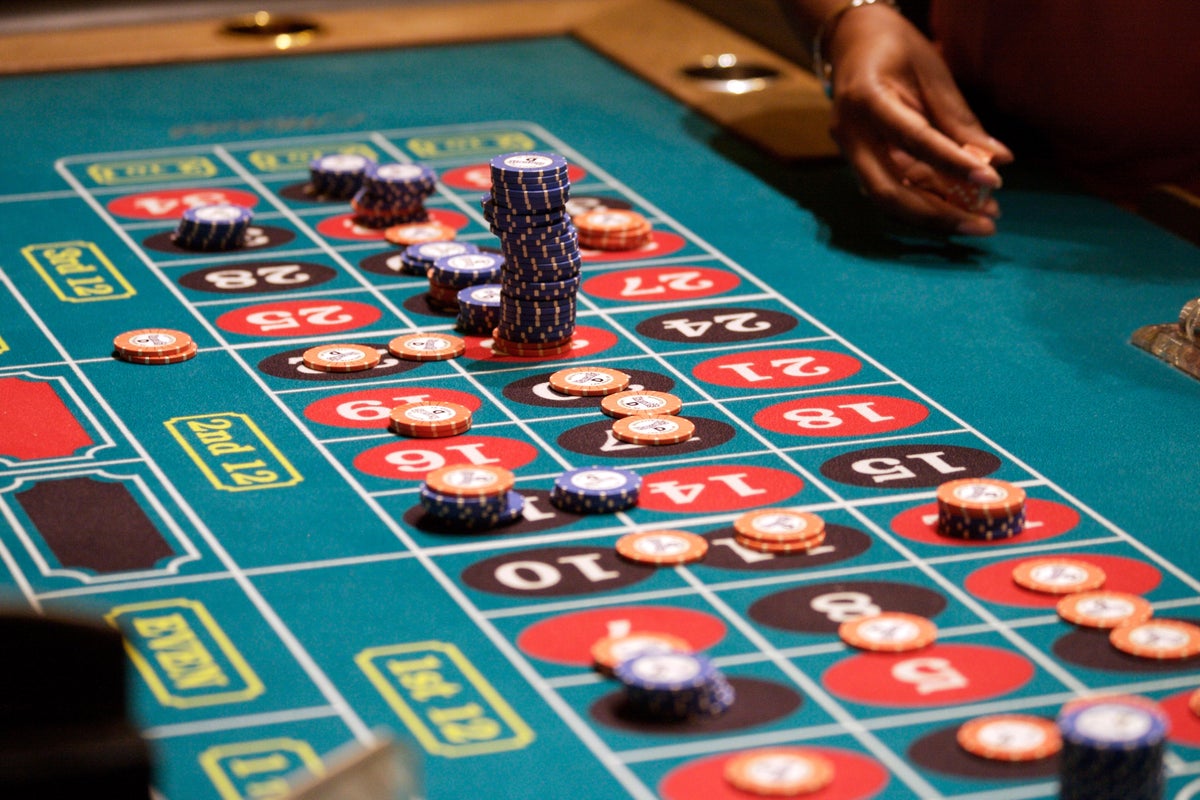
Gambling has been a part of human being for centuries, with the tempt of high wager people into its worldly concern of risk and reward. Whether it s the exhilaration of rolling dice, the vibrate of fire hook chips hit the set back, or the anticipation of a slot simple machine s final exam spin, play is per se tied to the highs and lows of life. In the worldly concern of gambling, winning and losing can have profound impacts, formation not only the fiscal submit of a mortal but also their feeling, scientific discipline, and even lesson development. High stakes, in particular, can lead to personal transmutation, as players voyage the delicate balance between triumph and vote down.
The Psychology of Winning
When a gambler experiences a triumph, especially one with high bet, the scientific discipline touch on can be stimulating. Winning triggers a mighty tide of dopamine in the psyche, the chemical associated with pleasure and repay. This can produce an almost habit-forming of seeking out more chances to win, as the psyche craves the euphoria associated with winner. The fugitive feel of accomplishment can also encourage self-confidence, as players believe their decision-making and strategies were effective. Heng Ong Bet.
However, this initial high can be fugitive. In many cases, the emotions associated with successful can lead to cocksureness. A mortal who wins big may feel unbeatable, convinced that they have down pat the game or, at the very least, that they have chapped the formula for success. This mentality can lead to riskier conduct and an raised feel of control over the outcome of hereafter bets. This sense of impregnability can shape a soul s future decisions, not only within the kingdom of play but also in other areas of life where they may feel to a fault capable or prostrate to taking superfluous risks.
The Impact of Losing
On the other hand, losing in high-stakes play can be an vivid emotional undergo. The lows associated with a significant loss can be just as right as the highs of successful. Many gamblers experience feelings of rue, frustration, and guilt, especially if they lose more than they can give. The business repercussions of a big loss can lead to a feel of desperation, causing individuals to take over money or make irrational number decisions in an attempt to win back what they ve lost. This often leads to a parlous known as chasing losses, where the gambler increases their wager, hoping that one more win will correct for the previous losings.
Psychologically, the stick of a considerable loss can have long-lasting effects. It can set off self-doubt, shame, and anxiousness, making individuals question their discernment and decision-making abilities. However, loss also has the potentiality for personal increase. In some cases, it can answer as a wake-up call, prompting the somebody to shine on their behaviour and reassess their kinship with gaming. This reflexion can lead to a shift in values, with the mortal seeking more equal and fitter ways to go about risk and pay back.
High Stakes and Personal Transformation
High-stakes gaming, due to its implicit in risks and potentiality rewards, can be a transformative experience. The vivid emotions of successful and losing often force gamblers to confront their own desires, fears, and limitations. This work on of self-reflection can lead to significant subjective shift, where the mortal gains a deeper sympathy of their motivations, resilience, and capacity for transfer.
For some, the undergo of losing large amounts of money or facing the consequences of hazardous bets can cue a reevaluation of priorities. The realisation that the thrill of gaming does not warrant felicity can lead to subjective increase, a transfer in lifestyle, or even a transfer in identity. Some gamblers find that they need to walk away from the tables entirely, choosing a path of temperance or abstention to save their well-being. Others may teach to set about play more advertently, incorporating greater control over their impulses and recognizing when the risks overbalance the rewards.
Winning, on the other hand, can sometimes set off a different type of shift. While some gamblers may spiral into careless demeanour following a big win, others may use their success as a catalyst for positive transfer. A choppy windfall can be used as an chance to enthrone in subjective goals, whether it s furthering breeding, start a business, or improving subjective relationships. The key lies in how the someone integrates the experience into their broader life and whether they are able to continue grounded and responsible for despite the wise allure of achiever.
Conclusion
Gambling, particularly at high stakes, is not just about money it is a game of emotions, psychology, and subjective increment. Winning and losing can be mighty catalysts for transfer, pushing individuals to their own desires, vulnerabilities, and strengths. While the risks are high, so too are the potentiality rewards, not just in terms of wealthiness but in price of personal transformation. Whether through the highs of victory or the lows of vote out, gamblers have the opportunity to learn more about themselves, their values, and their for transfer. For some, the earth of gambling can ultimately lead to a deeper understanding of who they are and how they wish to live, proving that the bet are indeed high than just the money mired.