
High-rise buildings are an important part of modern cities. From office towers and residential apartments to hotels and commercial skyscrapers, these structures require regular maintenance to remain attractive, safe, and functional. However, cleaning the outside of a tall building is much more challenging than cleaning a small house or single-story property. Height, weather conditions, difficult access, and safety requirements all make the process more complicated. 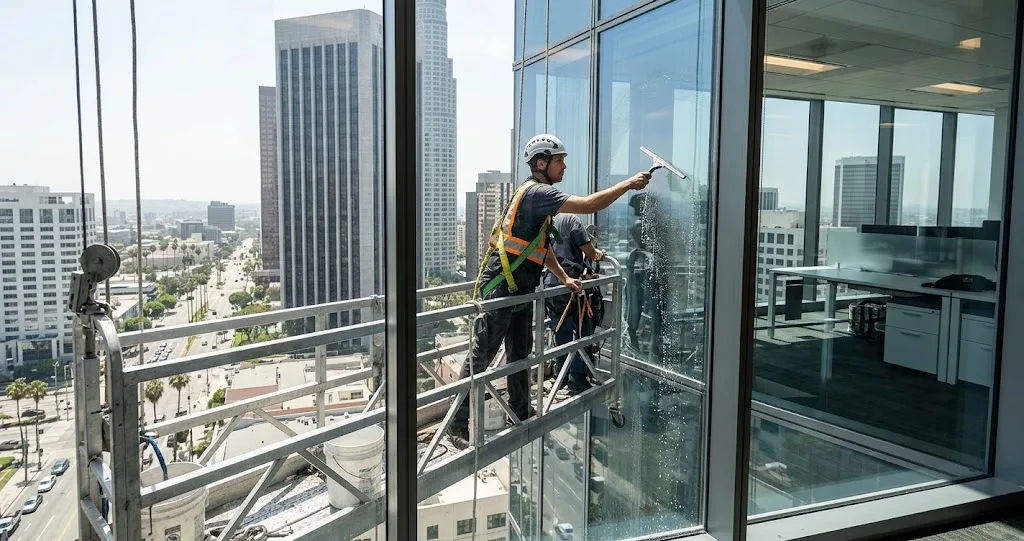 The good news is that professional cleaning methods have made it possible to maintain even very tall structures. Exterior Building Cleaning can work effectively on high-rise buildings when trained professionals use suitable equipment, approved access systems, and appropriate cleaning techniques. These services help remove dust, pollution, dirt, stains, and other unwanted materials from exterior surfaces.
Whether a property has glass windows, concrete walls, metal panels, or decorative architectural features, professional cleaning can improve its appearance and help protect its exterior materials. The right approach depends on the building's height, design, construction materials, and overall condition.
This comprehensive guide explains how high-rise cleaning works, which methods professionals use, what equipment is required, and why regular maintenance is important.
High-Rise Building Cleaning
High-rise building cleaning involves removing dirt, dust, pollution, stains, and environmental buildup from the outside surfaces of tall structures.
Unlike ordinary property maintenance, this work requires specialized planning because workers must access areas located many floors above ground level.
Professional cleaning companies assess the building before selecting a suitable cleaning method. They consider the building's structure, exterior materials, accessibility, and surrounding environment.
What Makes High-Rise Cleaning Different?
Several factors make cleaning tall buildings more complicated than maintaining smaller properties.
Building height: Workers may need specialized equipment to reach windows, walls, and other exterior surfaces located dozens of floors above ground level.
Limited accessibility: Some areas cannot be reached using ordinary ladders or ground-based equipment.
Weather conditions: Wind, rain, extreme temperatures, and other environmental conditions can affect cleaning schedules.
Different materials: High-rise buildings often combine glass, aluminum, concrete, stone, and other materials that require different cleaning approaches.
Public safety: Cleaning activities must protect workers, residents, pedestrians, vehicles, and nearby properties.
These challenges explain why high-rise cleaning should be handled by trained professionals rather than ordinary maintenance workers.
Can Exterior Building Cleaning Work on High-Rise Buildings?
Yes, professional Exterior Building Cleaning services can work on high-rise buildings. In fact, specialized exterior maintenance is commonly used to maintain skyscrapers, hotels, office towers, residential complexes, and other tall structures.
Modern equipment allows trained professionals to reach difficult areas without relying on traditional ground-level access.
The cleaning method depends on the building's architecture and the condition of its exterior surfaces.
For example, a glass office tower may require specialized window-cleaning equipment, while a concrete residential building may need a different surface-cleaning approach.
Cleaning Different Types of High-Rise Structures
Professional services can maintain several types of tall buildings.
-
Office buildings: Regular cleaning helps maintain a professional appearance and creates a pleasant working environment.
-
Residential towers: Cleaning removes environmental buildup from windows, balconies, and exterior walls.
-
Hotels: Clean exterior surfaces contribute to a welcoming appearance for guests.
-
Commercial skyscrapers: Large buildings benefit from planned maintenance programs.
-
Educational institutions: Exterior maintenance helps preserve school and university facilities.
-
Healthcare buildings: Appropriate cleaning supports the maintenance of clean and professional surroundings.
Each property requires an individual cleaning plan based on its design and maintenance needs.
Common Methods Used for High-Rise Exterior Cleaning
Professional cleaning companies use different methods depending on the surface material, building height, and accessibility.
Choosing the correct technique is important because an unsuitable cleaning process can damage exterior finishes or create unnecessary risks.
1. Rope Access Cleaning
Rope access is a specialized method used by trained professionals to reach difficult exterior areas of tall buildings.
Workers use approved rope-access systems and professional safety equipment to access exterior surfaces. This method is particularly useful for buildings with complex architectural designs or areas that are difficult to reach using conventional equipment.
Rope access can be suitable for:
-
Glass windows.
-
Exterior wall panels.
-
Concrete surfaces.
-
Architectural features.
-
Narrow or difficult-to-access sections.
Professionals must receive appropriate training and follow established safety procedures. Equipment inspection, suitable anchor systems, rescue arrangements, and weather assessments are essential parts of the process.
2. Suspended Access Platforms
Suspended platforms are another common solution for high-rise exterior maintenance.
These platforms provide workers with a stable working area while allowing them to access different sections of a building's exterior.
They are particularly useful for large commercial towers with extensive glass surfaces.
Suspended access systems can support activities such as:
-
Window cleaning.
-
Exterior panel washing.
-
Inspection of building surfaces.
-
Removal of accumulated dirt.
-
General facade maintenance.
These systems must be professionally designed, installed, inspected, and operated according to applicable safety requirements.
3. Water-Fed Pole Systems
Water-fed pole systems use specialized poles that deliver purified water to exterior glass surfaces.
They are useful for cleaning certain accessible sections of buildings without requiring workers to work at height.
However, their reach is limited by the equipment's design and the building's surroundings.
They are more appropriate for lower sections of tall buildings, accessible windows, and other suitable areas.
Professional cleaners assess whether this method can achieve the required results before including it in a maintenance plan.
4. Soft Washing
Soft washing uses controlled water application and suitable cleaning solutions to remove organic growth, dirt, and environmental buildup.
It can be useful for appropriate exterior surfaces that may not tolerate aggressive pressure.
The cleaning solution and application method must be selected according to the building material and manufacturer recommendations.
Soft washing may be considered for certain:
-
Masonry surfaces.
-
Concrete finishes.
-
Exterior wall panels.
-
Painted surfaces.
-
Areas affected by organic buildup.
Not every building material is suitable for the same cleaning chemicals. Professional assessment is therefore important.
5. Pressure Washing
Pressure washing uses water delivered at controlled pressure to remove stubborn dirt and surface contamination.
However, high-pressure cleaning is not suitable for every high-rise surface.
Glass assemblies, painted finishes, seals, insulation systems, and delicate architectural materials may be damaged by excessive pressure.
Professionals must determine whether pressure washing is appropriate and select equipment settings based on the surface's condition and manufacturer guidance.
What Equipment Is Required for High-Rise Cleaning?
High-rise cleaning requires specialized equipment that supports safe access, effective cleaning, and proper worker protection.
The equipment selected depends on the building's height, design, and cleaning requirements.
Access Equipment
Access equipment helps trained professionals reach exterior surfaces that cannot be accessed from the ground.
Common examples include:
-
Suspended access platforms.
-
Approved rope-access systems.
-
Building maintenance units.
-
Suitable aerial work platforms.
-
Specialized access systems designed for particular structures.
The equipment must be appropriate for the building and operated by qualified personnel.
Cleaning Equipment
Professional cleaners also use equipment designed to remove dirt without unnecessarily damaging exterior materials.
Examples include:
-
Professional window-cleaning tools.
-
Water-fed cleaning systems.
-
Purified water equipment.
-
Suitable pressure-washing machines.
-
Surface-cleaning brushes.
-
Approved cleaning solutions.
The correct combination depends on the cleaning requirements of each building.
Personal Protective Equipment
Worker protection is essential during high-rise maintenance.
Depending on the access method and task, personal protective equipment may include:
-
Approved safety helmets.
-
Full-body harnesses.
-
Appropriate fall-protection equipment.
-
Suitable footwear.
-
Protective gloves.
-
Eye protection.
-
Other task-specific protective equipment.
Safety equipment must be properly selected, inspected, and used according to applicable regulations.
Which Exterior Surfaces Can Be Cleaned on High-Rise Buildings?
High-rise properties contain several exterior materials. Each material responds differently to water, cleaning chemicals, and physical cleaning methods.
Professional cleaners identify the surface type before beginning work.
Glass and Windows
Glass is one of the most common materials used in modern high-rise construction.
Over time, windows collect dust, fingerprints, pollution, watermarks, and other environmental deposits.
Professional window cleaning helps restore clarity and improve the building's appearance.
Clean windows also allow more natural light to enter interior spaces.
However, professionals must consider glass coatings, seals, frames, and manufacturer recommendations before choosing cleaning products.
Concrete and Masonry
Concrete and masonry surfaces can collect dirt, pollution, algae, and other environmental contaminants.
Professional cleaning can improve their appearance and help identify areas requiring further maintenance.
The cleaning method should be selected according to the surface finish and condition.
Damaged concrete, loose materials, and deteriorating joints may require repairs before cleaning.
Metal Panels
Many commercial towers use aluminum, stainless steel, or other metal panels.
These materials can develop dirt deposits, oxidation, and visible staining.
Suitable cleaning products and controlled techniques help maintain their appearance.
Using unsuitable chemicals may cause discoloration or damage protective coatings, so material compatibility is essential.
Painted Exterior Surfaces
Painted surfaces require careful cleaning because aggressive methods can remove paint or affect the finish.
Professionals generally select gentle techniques and suitable cleaning solutions after examining the surface.
Regular maintenance can help painted exteriors maintain a cleaner appearance for longer.
Why Is Regular High-Rise Exterior Cleaning Important?
Cleaning a high-rise building is not only about appearance. It also supports long-term property maintenance.
Environmental contaminants can gradually affect exterior materials if they remain on surfaces for extended periods.
Regular maintenance helps property owners identify problems and maintain their buildings more effectively.
1. Improves Building Appearance
A clean exterior creates a positive impression.
For businesses, hotels, and commercial properties, appearance can influence how customers, visitors, and employees perceive the building.
Removing visible dirt, pollution, and stains helps maintain a professional image.
2. Helps Protect Exterior Materials
Dirt, pollution, and certain environmental deposits can contribute to surface deterioration.
Appropriate cleaning removes accumulated contaminants and allows professionals to inspect exterior materials more clearly.
This can help identify early signs of damage that may require maintenance.
3. Supports Property Maintenance
Regular cleaning provides an opportunity to examine building surfaces.
Professionals may notice:
-
Damaged exterior panels.
-
Deteriorating sealants.
-
Visible cracks.
-
Loose components.
-
Water staining.
-
Areas affected by corrosion.
Cleaning does not replace professional building inspections, but it can contribute to a broader maintenance program.
4. Creates a Better Environment
Clean windows and exterior surfaces contribute to a well-maintained property.
For residential buildings, this can improve the overall appearance of shared spaces.
For commercial properties, it helps maintain a welcoming environment for employees and visitors.
5. Supports Long-Term Property Value
Well-maintained buildings are generally easier to present, manage, and maintain.
Although cleaning alone cannot guarantee higher property values, consistent exterior maintenance helps protect the building's appearance and supports responsible property management.
Safety Challenges in High-Rise Building Cleaning
Safety is one of the most important considerations when cleaning tall buildings.
Working at significant heights introduces risks that require professional planning and strict control measures.
Working at Height
Employees must use approved access systems and suitable fall-protection equipment.
Cleaning companies should ensure that workers have the necessary qualifications and experience for their assigned tasks.
Weather Conditions
Wind can affect suspended platforms and rope-access operations.
Rain, lightning, and poor visibility can also create unsafe working conditions.
Professional teams should monitor weather conditions and postpone activities when safety requirements cannot be met.
Falling Objects
Tools and cleaning equipment can create risks for pedestrians and people inside or around the building.
Professional cleaning operations should use appropriate equipment restraints and establish controlled work areas.
Public Protection
High-rise properties are often surrounded by roads, sidewalks, businesses, and residential spaces.
Cleaning companies should coordinate with building management to protect the public and manage access around the work area.
Emergency Preparedness
Professional teams need suitable emergency and rescue arrangements before beginning work.
These arrangements should address equipment problems, unexpected weather changes, and other possible emergencies.
A clear rescue plan is especially important for specialized access operations.
How Often Should High-Rise Buildings Be Cleaned?
There is no single cleaning schedule that works for every high-rise building.
The appropriate frequency depends on the surrounding environment, building materials, weather exposure, pollution levels, and property requirements.
For example, buildings near busy roads or industrial areas may collect dirt faster than properties in less polluted locations.
Factors That Affect Cleaning Frequency
Location: Buildings in urban environments may experience greater exposure to dust and pollution.
Weather: Rain, wind, humidity, and seasonal conditions can influence exterior contamination.
Building materials: Glass, concrete, metal, and painted surfaces have different maintenance requirements.
Building usage: Hotels, offices, and commercial properties may have higher appearance expectations than other buildings.
Environmental conditions: Nearby construction, trees, traffic, and industrial activities can increase dirt accumulation.
Creating a Maintenance Schedule
Property managers should work with professional cleaning companies to develop a suitable maintenance plan.
A practical schedule may include regular visual inspections, planned window cleaning, periodic facade maintenance, and additional cleaning when necessary.
The schedule should remain flexible enough to respond to changing environmental conditions.
How to Choose a Professional High-Rise Cleaning Company
Selecting the right service provider is important because high-rise cleaning requires specialized skills and equipment.
Property owners should evaluate several factors before hiring a company.
Check Training and Qualifications
Ask whether the company employs trained professionals with experience in high-rise maintenance.
Workers should have qualifications appropriate to their access systems and assigned responsibilities.
Review Safety Procedures
A professional company should be able to explain its safety management process.
Ask about equipment inspections, worker protection, emergency arrangements, and public safety measures.
Ask About Previous Experience
Experience with similar buildings is valuable.
A company that has maintained commercial towers may understand the challenges associated with glass facades, suspended platforms, and complex architectural structures.
Confirm Insurance and Compliance
Check whether the service provider has appropriate insurance and follows applicable workplace safety requirements.
Property managers should also confirm that the proposed work meets relevant building regulations.
The Cleaning Process
Ask which methods will be used and why they are suitable for the building.
A reliable provider should explain the cleaning products, equipment, surface precautions, and expected results.
Request a Detailed Quote
A professional quotation should clearly explain the scope of work.
It may include:
-
Areas covered by the cleaning service.
-
Cleaning methods.
-
Equipment requirements.
-
Estimated project duration.
-
Safety arrangements.
-
Pricing and additional charges.
Comparing quotations helps property managers make informed decisions.
What Factors Affect the Cost of High-Rise Exterior Cleaning?
The cost of cleaning a high-rise building depends on several variables.
There is no universal price because each property has different access requirements and surface conditions.
Building Height
Taller buildings may require more specialized equipment, additional planning, and longer working periods.
These requirements can increase project costs.
Total Exterior Surface Area
A building with a large glass facade may require more labor and cleaning materials than a smaller structure.
The total area is therefore an important pricing factor.
Cleaning Method
Rope access, suspended platforms, and other specialized access systems have different equipment and operational costs.
The selected method can significantly affect the overall quotation.
Surface Condition
Buildings with heavy pollution, stubborn stains, or extensive environmental buildup may require additional cleaning time.
Accessibility
Complex architecture, restricted ground access, and nearby structures can make cleaning more difficult.
These conditions may require additional planning and specialized equipment.
Can High-Rise Exterior Cleaning Be Environmentally Friendly?
Yes. Professional cleaning companies can adopt environmentally responsible practices when maintaining tall buildings.
The goal is to remove contaminants while reducing unnecessary water use and avoiding harmful effects on surrounding areas.
Using Suitable Cleaning Products
Professionals can select cleaning solutions that are appropriate for the surface and have lower environmental impacts.
The products must still meet cleaning requirements and manufacturer recommendations.
Managing Water Consumption
Efficient equipment and controlled water application can help reduce unnecessary water use.
Purified water systems may also be suitable for certain window-cleaning applications.
Preventing Chemical Runoff
Cleaning operations should include suitable measures to control wastewater and prevent harmful substances from entering stormwater systems or surrounding areas.
Reducing Unnecessary Cleaning
A planned maintenance schedule can prevent unnecessary cleaning activities.
This approach helps property managers balance appearance, maintenance requirements, and resource consumption.
Common Mistakes to Avoid During High-Rise Cleaning
Even a professional cleaning project can create problems if the wrong decisions are made.
Property managers should avoid the following mistakes.
Choosing the Cheapest Service Without Checking Qualifications
Low prices do not necessarily indicate good value.
A company should be evaluated based on experience, safety arrangements, equipment, insurance, and service quality.
Using Excessive Water Pressure
High pressure can damage delicate exterior materials, seals, and protective coatings.
The cleaning technique must match the surface.
Ignoring Weather Conditions
Wind and severe weather can make high-rise work unsafe.
Cleaning activities should only proceed when conditions meet the required safety standards.
Overlooking Building Materials
Using the same cleaning product on every surface can result in damage.
Professionals should assess the materials before choosing chemicals or cleaning equipment.
Skipping Regular Maintenance
Waiting until a building becomes heavily contaminated can increase cleaning requirements.
A consistent maintenance program is generally easier to manage than occasional intensive cleaning.
Conclusion
High-rise buildings can absolutely benefit from professional exterior cleaning. Modern equipment, specialized access systems, and suitable cleaning methods make it possible to maintain tall residential towers, commercial skyscrapers, hotels, and office buildings effectively.
However, cleaning these structures requires more than ordinary maintenance equipment. Building height, surface materials, accessibility, weather conditions, and worker protection must all be considered before a project begins.
Exterior Building Cleaning can help remove environmental contaminants, improve the appearance of exterior surfaces, and support long-term property maintenance. Techniques such as rope access, suspended platforms, soft washing, and appropriate window-cleaning systems allow trained professionals to work on different types of high-rise structures.
Property owners and building managers should choose experienced cleaning companies that understand high-rise safety requirements and can recommend suitable methods for each surface. They should also consider regular inspections, responsible water management, and planned cleaning schedules.
Ultimately, maintaining a high-rise building is an ongoing responsibility. Investing in professional cleaning helps preserve its appearance, supports the condition of exterior materials, and creates a better environment for the people who live, work, and visit there.
A well-planned maintenance strategy ensures that even the tallest buildings can remain clean, attractive, and properly maintained for years to come.