
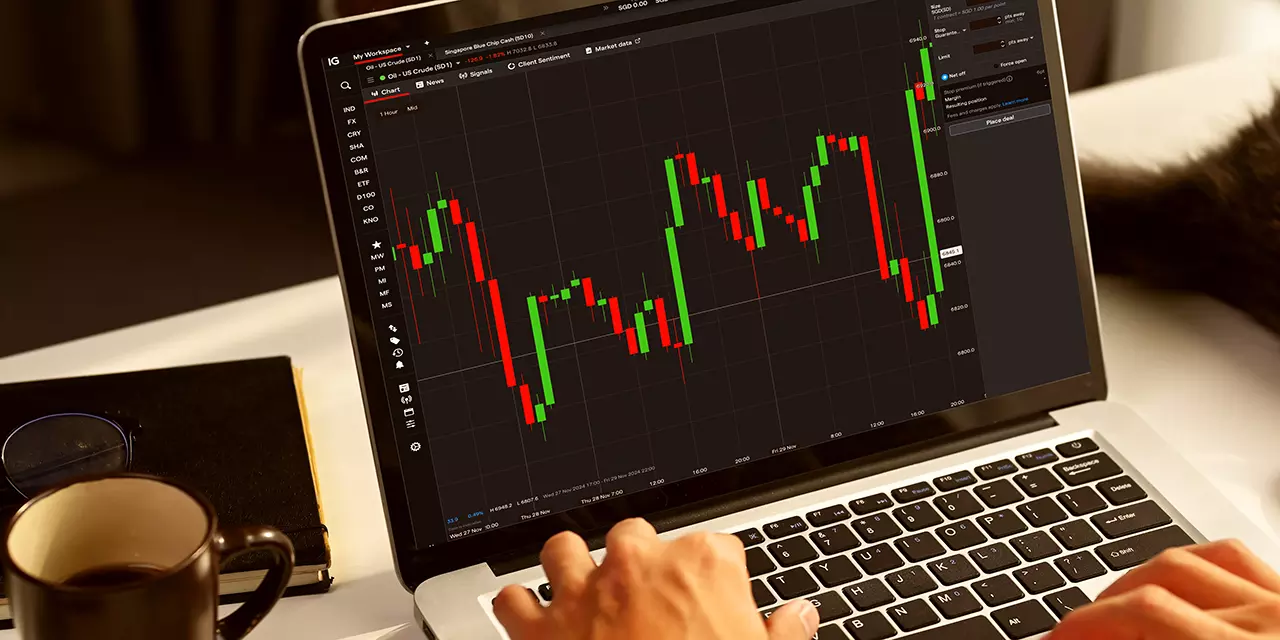
Entering the world of derivatives can be daunting, especially for those new to financial markets. Futures trading for beginners presents both opportunities and risks, and understanding the differences between trading futures vs options is critical for developing effective strategies. Each instrument has unique characteristics, risk profiles, and applications, and beginners must grasp these distinctions to trade confidently and responsibly. This article explores key insights into futures and options trading, comparing their features, uses, and strategies for beginners.
Understanding Futures Trading
Futures trading involves entering into contracts to buy or sell an underlying asset at a predetermined price and date. These contracts are standardized and traded on regulated exchanges, providing transparency and liquidity.
Key aspects of futures trading include:
- Leverage: Traders can control large positions with relatively small capital, amplifying both potential profits and losses.
- Obligation to Execute: Unlike options, futures contracts obligate traders to fulfill the contract at expiration unless closed beforehand.
- Margin Requirements: Traders must maintain a margin, which acts as collateral and ensures financial responsibility.
- Market Variety: Futures contracts exist for commodities, indices, currencies, and interest rates, allowing broad market exposure.
For beginners, futures trading offers a straightforward approach to participate in the market, but it requires disciplined risk management due to leverage and market volatility.
Understanding Options Trading
Options are derivative contracts that give traders the right, but not the obligation, to buy (call option) or sell (put option) an underlying asset at a specified price before or on a certain date. Unlike futures, options provide flexibility and limited risk for buyers.
Key features of options trading include:
- Limited Risk for Buyers: Buyers risk only the premium paid for the option, while sellers may face significant exposure.
- Strategic Flexibility: Options can be used for hedging, speculation, or income generation through strategies like covered calls and spreads.
- Complex Pricing: Options pricing involves factors such as implied volatility, time decay (theta), and Greeks (Delta, Gamma, Vega).
- Expiration Considerations: Options have finite lifespans, and their value decreases over time, particularly for out-of-the-money contracts.
For beginners, options trading requires understanding multiple variables beyond price movement, but it provides more ways to manage risk compared to futures.
Key Differences Between Trading Futures vs Options
Understanding the primary differences between trading futures vs options is essential for beginners learning market strategies:
1. Risk and Reward
Futures carry unlimited potential gains and losses because traders are obligated to fulfill contracts. Options, by contrast, limit risk for buyers to the premium paid, though sellers may face significant exposure.
2. Obligation vs Choice
Futures contracts require the holder to buy or sell the underlying asset at expiration, while options provide the choice to execute the trade or let it expire worthless. This flexibility can protect traders from adverse market movements.
3. Leverage and Capital Requirements
Both instruments involve leverage, but futures typically require higher margin levels, whereas options allow smaller upfront premiums to control a comparable position size. This makes options attractive for beginners with limited capital.
4. Complexity of Strategies
Options trading enables complex strategies like straddles, strangles, and spreads, which can hedge risk or profit in various market conditions. Futures strategies are generally more straightforward but may require precise timing due to leverage.
5. Market Suitability
Futures are ideal for traders focusing on directional bets on commodities, indices, or currencies. Options are better for those looking to hedge positions, speculate with defined risk, or implement advanced strategies.
Tips for Futures Trading Beginners
For those new to derivatives, incorporating best practices can enhance learning and reduce risk:
- Start With Simulated Trading: Use paper trading accounts to practice executing futures and options trades without risking real capital.
- Focus on One Market Initially: Specializing in a single futures market or option type helps build expertise and confidence.
- Understand Margin and Leverage: Beginners must grasp how margin works and how leverage can amplify gains or losses.
- Track Market News: Economic events, policy decisions, and global developments directly impact futures and options prices.
- Maintain a Trading Journal: Documenting trades, rationale, and outcomes helps identify strengths, weaknesses, and areas for improvement.
Combining Futures and Options for Beginners
Advanced traders often combine futures and options to create balanced strategies:
- Hedging: Using options to hedge an existing futures position can limit potential losses while maintaining upside potential.
- Income Strategies: Selling covered calls against futures positions generates premium income while managing exposure.
- Market Timing: Futures can provide direct exposure, while options allow flexible entry and exit points depending on market conditions.
For futures trading beginners, starting with simpler strategies and gradually introducing options ensures manageable learning curves.
Conclusion
Trading derivatives requires careful study, discipline, and risk management. Understanding trading futures vs options equips beginners with essential insights to navigate the market effectively. Futures offer direct exposure with significant leverage and obligations, while options provide flexibility, defined risk, and strategic versatility.
By starting with paper trading, focusing on one market, and progressively experimenting with advanced strategies, futures trading for beginners can become a structured and rewarding learning experience. Combining both futures and options knowledge allows traders to hedge, speculate, and develop well-rounded market strategies while minimizing unnecessary risk.