
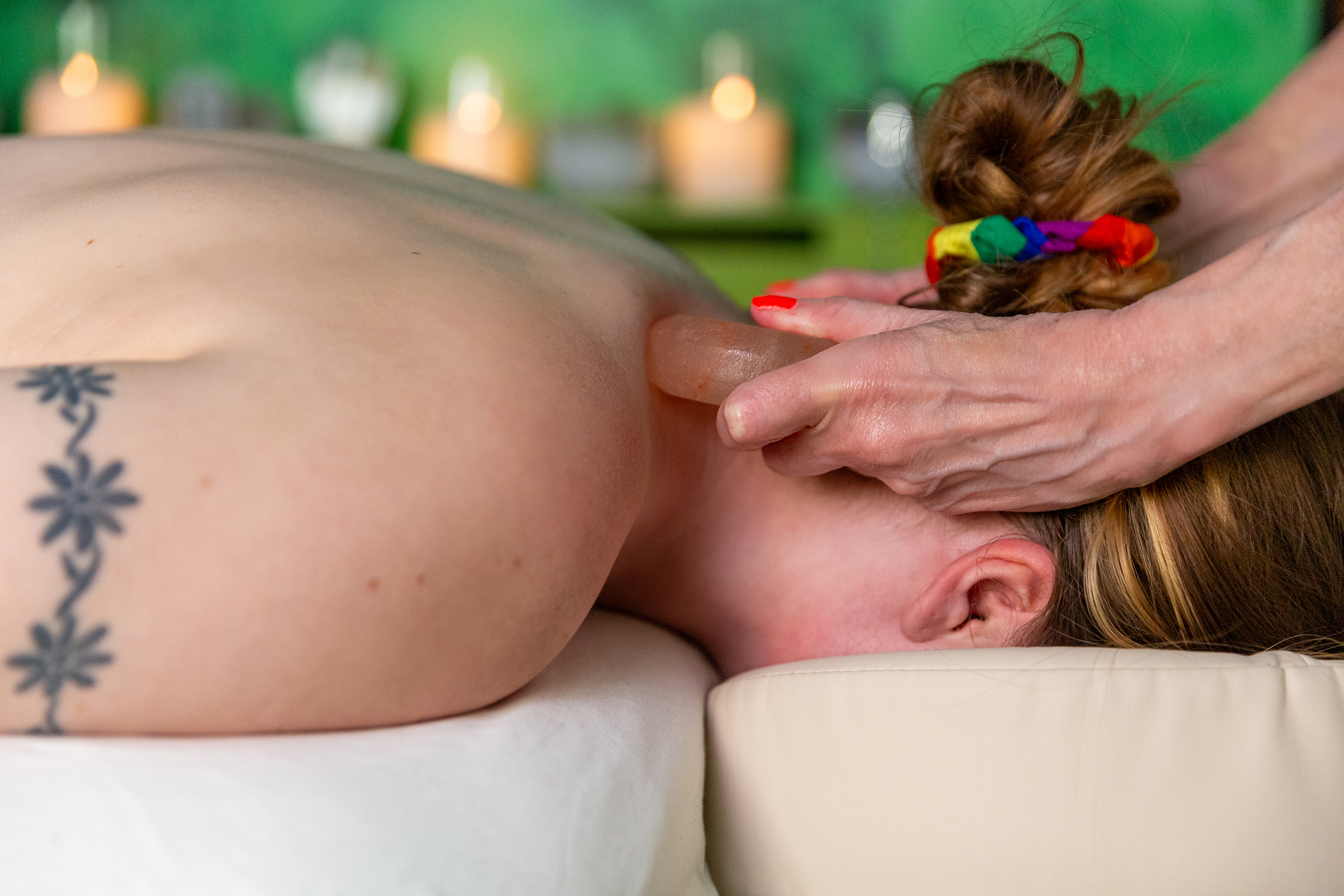
The term”brave massage” is future not as a new sensory system, but as a substitution class transfer in therapeutic bodywork. It moves decisively beyond the quest of transeunt repose into the realm of targeted medical specialty and fascial recalibration. This set about is defined by its skillful, often intense, involution with the body’s protective armoring the prolonged, subconscious muscular holdings that form in response to physical trauma, emotional try, and repetitious postural stress. A brave massage seance is a cooperative investigation, requiring courage from both practician and client to and deconstruct these deeply embedded corporeal patterns, not merely console them.
The Core Principle: Disrupting the Somatic Blueprint
Conventional soundness in massage therapy often prioritizes client soothe, sometimes at the of stable transfer. The endure 토닥이 ism challenges this straight, positing that true, biological science revision requires a temporary worker, therapeutic discomfort to interrupt the dysfunctional corporeal draught. This is not about causation pain, but about applying sustained, well-informed forc and social movement to areas the nervous system has watchfully cautious, often for geezerhood. The goal is to convince the autonomic tense system of rules that it is safe to release, thereby restoring optimum somatic cell signaling and fascial glide by.
Recent industry data underscores the need for this deeper go about. A 2024 Clinical Somatic Review meditate ground that 73 of clients quest knead for chronic pain rumored only short-circuit-term relief(less than 48 hours) from standard ease-focused Sessions. Furthermore, biometric data from vesture tech used in pilot programs reveals that 68 of clients exhibit significantly elevated railway heart rate variableness(HRV) during targeted myofascial unfreeze, indicating a point participation of the autonomic nervous system of rules. This statistic is crucial; it moves the outcome system of measurement from subjective”feel-good” reports to objective, physical markers of tense system rule, a of the brave methodology.
Methodology: The Three Pillars of Intervention
The practice is built on three non-negotiable pillars. First is Biomechanical Assessment, utilizing dynamic movement psychoanalysis over static reflexion to see how restrictions attest functionally. Second is Conscious Client Collaboration, where the practitioner verbally guides the client to get over sensations and hint, transforming a passive undergo into an active voice neuro-educational process. Third is Integrated Aftercare, prescribing particular micronovements and positional releases to be performed by the client for 60-90 seconds every hour, cementing the new neuronic nerve pathway.
- Pillar 1: Dynamic Gait and Postural Analysis
- Pillar 2: Dialogued Sensation Tracking and Breathwork Cues
- Pillar 3: Prescribed Micro-interventions for Home-Based Neural Reinforcement
Case Study 1: The Runner’s Recalibration
Maya, a 42-year-old road runner, presented with degenerative right-sided Achilles tendinopathy and a unrelenting feel of”dragging” in her left hip. Traditional sports knead and stretch provided only fugitive ministration. The brave rub down judgement focussed on her running gait off the remit, revealing a perceptive but marked asymmetry in her pectoral rotation her upper body barely turned to the left with each pace. The interference targeted not her Achilles, but the foundational restriction: a hypertonic, adhered left intramural oblique and a barred right costovertebral conjunction.
The methodological analysis involved Maya side-lying, actively attractive in rib cage external respiration while the practician applied sustained, deep forc to the fascial attachments of the intragroup oblique case. This was followed by a precise, guest-assisted mobilization of the rib heads at T6-T8. The seance was saturated; Maya according waves of heat and emotional release. The quantified outcome was plumbed via tread symmetricalness sensors. Within three Roger Huntington Sessions, her thoracic rotation symmetry improved by 47, and her Achilles pain(measured on a VAS surmount) dropped from a uniform 7 to a 1, without direct work on the tendon itself, demonstrating the major power of addressing proximal medical specialty drivers.
Case Study 2: The Tech Posture Overhaul
David, a computer software , suffered from enervating tension headaches and forward head pose deemed”structural” by previous therapists. Initial weather judgment identified a primary limitation in his hyoid and suprahyoid muscles, sternly modification spit posture and swallowing mechanics a seldom considered but vital component of porta stability. His”text neck” was a symptom, not the cause. The interference was extremely particular: intra-oral unblock of the mylohyoid and geniohyoid muscles, joined with training