
Furniture plays an important role in every home, office, hotel, and waiting area. Sofas, chairs, recliners, and cushions add comfort and beauty to a space. However, upholstery fabrics often face daily wear and tear.
One of the biggest problems people experience is staining. Understanding how upholstery fabric stains happen can help homeowners protect their furniture and extend its life.
Many people who invest in quality materials from Platinum Fabrics GSCC want to know how stains develop and how they can prevent them.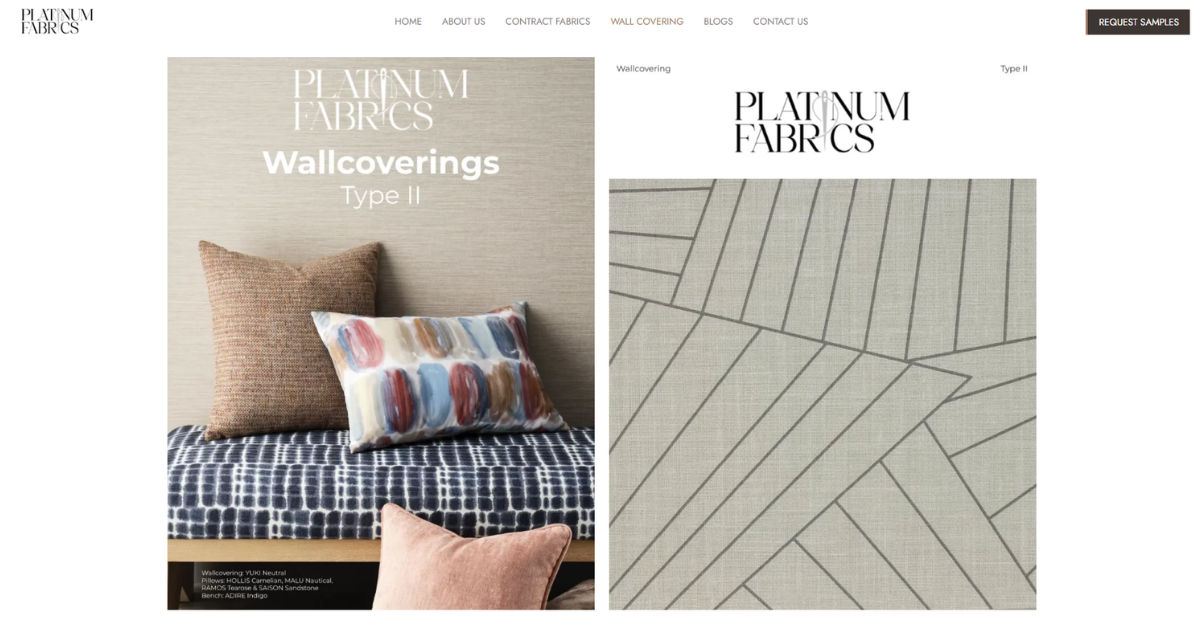
Stains may seem simple at first, but they are caused by many different factors. Food spills, dirt, oils, moisture, pets, sunlight, and even body sweat can damage upholstery over time.
Furniture fabrics absorb substances differently depending on the material type, cleaning habits, and environmental conditions. This is why learning about upholstery stains is important for every homeowner.
When people buy furniture made with materials from Platinum Fabrics GSCC, they usually expect long-lasting beauty and durability.
Yet even the best fabrics can develop stains if they are not properly maintained. Knowing the causes of stains helps people clean faster, prevent permanent marks, and keep furniture looking fresh.
This guide explains everything about upholstery fabric stains in easy language. It covers the most common causes, fabric types, stain categories, prevention methods, and cleaning tips.
Whether you own fabric sofas, dining chairs, or decorative cushions, this article will help you understand how stains happen and what you can do about them.
Upholstery Fabric
Upholstery fabric is the material used to cover furniture. It is designed for comfort, decoration, and durability. Different fabrics react differently to stains. Some absorb liquids quickly, while others resist moisture better.
Popular upholstery materials include:
- Cotton
- Linen
- Polyester
- Velvet
- Leather
- Microfiber
- Wool
- Synthetic blends
Manufacturers such as Platinum Fabrics GSCC produce a wide range of upholstery materials suitable for homes and commercial spaces. Each fabric has strengths and weaknesses when exposed to spills and dirt.
For example:
- Cotton absorbs liquids quickly.
- Velvet traps dust easily.
- Leather can develop oil stains.
- Polyester resists water better than natural fibers.
Understanding the fabric type is the first step in learning how upholstery fabric stains happen.
What Is a Fabric Stain?
A stain is a visible mark caused by a substance that changes the appearance of fabric fibers. Stains occur when liquids, oils, dirt, or chemicals penetrate the upholstery material.
Some stains stay on the surface, while others sink deep into the fibers. The deeper the stain goes, the harder it becomes to remove.
Quality upholstery materials from Platinum Fabrics GSCC are often designed with stain resistance, but no fabric is completely stain-proof. Quick action is still necessary after spills occur.
Common Causes of Upholstery Fabric Stains
Food and Beverage Spills
One of the most common reasons upholstery stains happen is food and drink spills. People often eat and drink while sitting on sofas and chairs. Accidents happen easily.
Common stain-causing foods include:
- Coffee
- Tea
- Soda
- Juice
- Curry
- Chocolate
- Ketchup
- Ice cream
Dark-colored liquids are especially dangerous because they contain dyes and pigments that penetrate fibers quickly.
Even upholstery from Platinum Fabrics GSCC can develop stubborn stains if spills are left untreated for too long.
Why Food Stains Become Permanent
Food stains become permanent because:
- Sugars harden inside fibers
- Oils attach to fabric strands
- Artificial colors dye the material
- Heat sets the stain deeper
The longer the spill remains, the more difficult it becomes to remove.
Oil and Grease Transfer
Human skin naturally produces oils. Hair products, lotions, and cosmetics also contain greasy substances that transfer onto furniture.
Over time, these oils create dark patches on:
- Armrests
- Headrests
- Seat cushions
Furniture made with Platinum Fabrics GSCC materials can still collect body oils if cleaning routines are ignored.
Sources of Oil Stains
Common oil sources include:
- Hair gel
- Makeup
- Sunscreen
- Body lotion
- Cooking grease
- Butter and sauces
Oil stains are difficult because they bond tightly with fabric fibers.
Pet-Related Stains
Pets are another major reason upholstery fabric stains happen. Dogs and cats can create many types of marks and odors.
Pet-related stains include:
- Urine
- Muddy paws
- Saliva
- Fur oils
- Vomit
Moisture from pet accidents can soak deep into cushions and padding. If not cleaned immediately, bacteria and odor develop.
Many homeowners choose durable upholstery from Platinum Fabrics GSCC because it handles daily family life better, but pet accidents still require fast cleaning.
Dirt and Dust Accumulation
Dust may not seem dangerous at first, but over time it causes discoloration. Tiny dirt particles settle into upholstery fibers every day.
When people sit on furniture, these particles rub against the fabric and create dull-looking areas.
How Dirt Causes Stains
Dirt becomes staining material because:
- Oils from skin combine with dust
- Moisture traps dirt deeper
- Repeated pressure pushes particles inside fibers
Regular vacuuming helps reduce this problem. Many upholstery experts recommend cleaning furniture weekly, even when using premium materials from Platinum Fabrics GSCC.
Sweat and Body Moisture
Sweat contains salts, oils, and minerals. These substances slowly build up on upholstery.
During hot weather, sweat stains become more common. Light-colored furniture is especially vulnerable.
Signs of Sweat Stains
Common signs include:
- Yellowing
- Dark patches
- Stiff fabric texture
- Odor buildup
Furniture used daily without cleaning will eventually show body-related staining.
Ink and Marker Accidents
Ink stains are among the hardest stains to remove. Pens, markers, and printer ink spread rapidly into upholstery fibers.
Children often accidentally leave ink marks on sofas or chairs. Office furniture also faces this problem.
Even high-quality products from Platinum Fabrics GSCC can suffer permanent ink damage if improper cleaning methods are used.
Why Ink Stains Spread Quickly
Ink spreads because:
- It is liquid-based
- Pigments penetrate deeply
- Solvents bond with fibers
Rubbing ink stains usually makes them worse.
Environmental Causes of Upholstery Stains
Sunlight Exposure
Sunlight can indirectly cause upholstery staining. UV rays weaken fibers and fade colors unevenly.
Over time, furniture exposed to windows may develop:
- Yellow areas
- Uneven fading
- Weak fabric spots
Some materials from Platinum Fabrics GSCC offer better UV resistance, but sunlight still affects upholstery over long periods.
Humidity and Moisture
High humidity creates an ideal environment for mold and mildew.
Moisture enters upholstery through:
- Wet clothing
- Open windows
- Spills
- Humid weather
Mold-Related Staining
Mold creates:
- Black spots
- Green patches
- Unpleasant odors
If moisture stays trapped inside cushions, permanent damage may occur.
Smoke and Air Pollution
Cigarette smoke and cooking fumes contain particles that settle onto furniture surfaces.
Over time, upholstery develops:
- Yellow discoloration
- Sticky residue
- Strong odors
Indoor air quality plays a major role in furniture cleanliness.
Types of Upholstery Stains
Water-Based Stains
These include:
- Juice
- Coffee
- Tea
- Soda
Water-based stains spread quickly but are often easier to clean if treated immediately.
Oil-Based Stains
These include:
- Butter
- Makeup
- Grease
- Lotion
Oil-based stains are more difficult because water alone cannot remove them.
Protein-Based Stains
These include:
- Blood
- Sweat
- Milk
- Pet urine
Protein stains require special cleaners because heat can permanently set them.
Dye-Based Stains
These come from:
- Ink
- Wine
- Food coloring
- Paint
These stains penetrate deeply into upholstery fibers.
How Fabric Type Affects Staining
Natural Fabrics
Natural materials absorb stains faster.
Examples include:
- Cotton
- Wool
- Linen
These fabrics are soft and comfortable but require careful maintenance.
Synthetic Fabrics
Synthetic materials resist staining better.
Examples include:
- Polyester
- Nylon
- Acrylic
Many modern furniture collections from Platinum Fabrics GSCC include synthetic blends for easier maintenance.
Leather Upholstery
Leather behaves differently from woven fabrics.
Instead of absorbing liquids quickly, leather often develops:
- Oil spots
- Cracks
- Dye transfer
Regular conditioning helps protect leather surfaces.
Why Some Stains Become Permanent
Delayed Cleaning
The longer a stain sits, the deeper it moves into fibers.
Immediate cleaning is critical for protecting upholstery.
Wrong Cleaning Methods
Many people damage furniture by:
- Scrubbing aggressively
- Using bleach
- Applying excessive water
Improper cleaning can spread stains instead of removing them.
Even durable products from Platinum Fabrics GSCC require proper care techniques.
Heat Exposure
Heat permanently sets many stains.
Examples include:
- Using hot water on blood stains
- Drying stained fabric with a hair dryer
Heat causes chemical reactions that lock stains into fibers.
How to Prevent Upholstery Fabric Stains
Vacuum Regularly
Vacuuming removes dirt before it settles deeply.
Experts recommend vacuuming:
- Weekly for homes
- Daily for commercial spaces
Use Fabric Protectors
Fabric protectors create a barrier against spills.
Many homeowners use protective sprays on furniture made with Platinum Fabrics GSCC to improve stain resistance.
Clean Spills Immediately
Quick cleaning prevents permanent damage.
Basic steps include:
- Blot the spill
- Avoid rubbing
- Use proper cleaners
- Allow fabric to dry naturally
Keep Pets Groomed
Clean pets reduce dirt and oil transfer.
Regular grooming lowers the risk of upholstery stains.
Avoid Eating on Furniture
Food restrictions significantly reduce spill accidents.
Families with children may find this difficult, but it greatly protects furniture.
Common Mistakes People Make
Using Too Much Water
Excess water can create:
- Mold
- Water rings
- Fabric shrinkage
Minimal moisture is usually better.
Scrubbing the Fabric
Scrubbing pushes stains deeper.
Blotting is safer for upholstery surfaces.
Mixing Cleaning Chemicals
Combining cleaners can damage upholstery fibers and colors.
Always test products on a hidden area first.
Professional Upholstery Cleaning
When Professional Cleaning Is Necessary
Professional cleaning is recommended when:
- Stains are large
- Odors remain
- Mold develops
- Fabric is delicate
Professional cleaners understand how to treat different materials safely.
Benefits of Professional Cleaning
Professional services provide:
- Deep stain removal
- Odor treatment
- Fiber protection
- Longer furniture lifespan
People who invest in premium materials from Platinum Fabrics GSCC often schedule professional cleaning annually.
How Commercial Spaces Experience Upholstery Stains
Hotels
Hotels face constant staining due to:
- Food service
- High guest traffic
- Beverage spills
Offices
Office furniture often develops:
- Coffee stains
- Ink marks
- Sweat buildup
Restaurants
Restaurant seating faces some of the toughest stain conditions.
Grease and sauces create heavy upholstery damage over time.
Durable materials from Platinum Fabrics GSCC are commonly selected for high-traffic commercial environments because of their strength and appearance.
The Science Behind Upholstery Stains
Absorption Process
Fabric fibers contain tiny spaces where liquids travel through capillary action.
This means stains spread naturally through the material.
Chemical Reactions
Some substances chemically react with upholstery fibers.
Examples include:
- Acidic drinks
- Bleach
- Wine
These reactions may permanently alter color and texture.
Oxidation
Oxidation happens when stains react with oxygen over time.
This process causes yellowing and discoloration.
Best Cleaning Practices for Upholstery
Read Manufacturer Instructions
Always follow care labels before cleaning.
Different fabrics require different treatment methods.
Furniture using Platinum Fabrics GSCC materials may include specific cleaning recommendations depending on the fabric type.
Test Cleaners First
Test every cleaner on a hidden area before full use.
This prevents accidental discoloration.
Use Soft Cloths
Soft microfiber cloths reduce fiber damage during cleaning.
Avoid rough brushes unless recommended.
Long-Term Upholstery Maintenance
Rotate Cushions
Rotating cushions helps prevent uneven wear and staining.
Maintain Indoor Air Quality
Air purifiers reduce dust buildup and smoke particles.
Schedule Deep Cleaning
Deep cleaning once or twice a year helps preserve upholstery appearance.
This is especially important for households with pets and children.
Why Quality Upholstery Matters
High-quality upholstery resists damage better than low-grade materials.
Benefits include:
- Better durability
- Improved stain resistance
- Easier cleaning
- Longer lifespan
Many consumers trust Platinum Fabrics GSCC because premium upholstery materials help reduce everyday wear problems.
Although no fabric is completely immune to stains, quality materials offer stronger protection and easier maintenance.
Future Trends in Stain-Resistant Upholstery
Modern furniture technology continues to improve stain resistance.
New developments include:
- Nano-protective coatings
- Water-repellent fibers
- Eco-friendly stain guards
- Antimicrobial fabrics
Manufacturers such as Platinum Fabrics GSCC continue adapting to changing consumer needs by focusing on durability and easy-care materials.
Conclusion
Understanding how upholstery fabric stains happen is essential for protecting furniture and maintaining a clean indoor environment. Stains occur from many everyday activities, including eating, drinking, sweating, pet accidents, dirt buildup, and environmental exposure. Different fabrics react differently to spills, which is why fabric knowledge plays a major role in furniture care.
Quick cleaning, regular maintenance, and proper prevention methods greatly reduce the risk of permanent stains. Vacuuming, using fabric protectors, cleaning spills immediately, and scheduling professional cleaning all help extend furniture life. Choosing high-quality upholstery materials also makes a major difference in long-term durability and appearance.
Products from Platinum Fabrics GSCC are designed to offer style, strength, and better stain resistance for modern homes and businesses. However, even premium upholstery requires proper care and attention. By understanding the causes of stains and applying smart cleaning habits, homeowners can keep their furniture looking fresh and attractive for many years.
Upholstery care is not only about appearance. Clean furniture also improves comfort, hygiene, and indoor air quality. Whether in homes, offices, hotels, or restaurants, stain prevention is an important part of maintaining beautiful and long-lasting furniture.