
Private label T-shirt manufacturing gives clothing brands a way to sell garments under their own identity without owning a factory or managing every production stage themselves. The manufacturer handles the physical work while the brand controls the design, branding, packaging, and customer experience.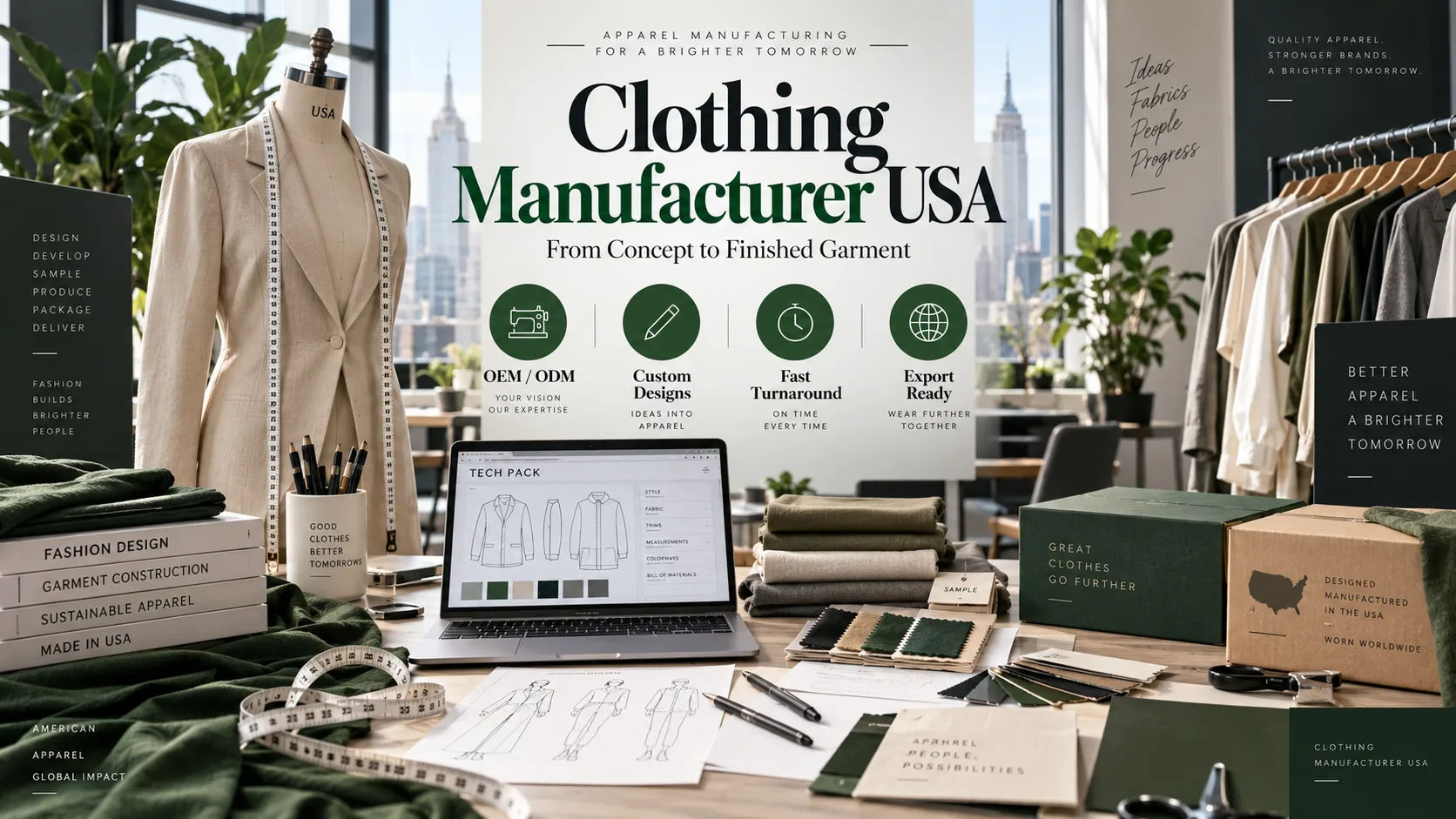
This model works well for startups, online clothing stores, gyms, promotional businesses, and established retailers. A reliable custom t-shirt manufacturer can turn a brand concept into a finished garment with the right fabric, fit, decoration, labels, and packaging.
The important point is that private label production is not simply buying blank shirts and adding a logo. A capable supplier can support product development, sampling, bulk production, quality control, and finishing. Understanding the process helps a brand avoid costly mistakes and choose a supplier that can grow with its business.
What Is Private Label T-Shirt Manufacturing?
Private label manufacturing means a factory produces clothing for a business that sells the finished garments under its own brand name. The factory may source fabric, cut panels, sew garments, apply prints or embroidery, attach labels, inspect finished pieces, and prepare orders for shipment.
The brand owns the customer-facing identity. This can include the brand name, logo, artwork, labels, packaging, and product presentation.
This is different from selling generic wholesale shirts. With wholesale blanks, a retailer usually selects an existing product. With private label production, the buyer has much more control over how the garment looks and feels.
A custom t-shirt manufacturer may offer several levels of customization. Some clients want an existing factory pattern with their logo and neck label. Others want a completely new garment with custom measurements, fabric weight, dye color, stitching details, and packaging.
How Does the Process Work?
Private label production normally follows a series of stages, and a capable custom t-shirt manufacturer should guide the buyer through each one. The exact workflow varies by supplier, but the basic process remains similar.
1. The Brand Shares Its Requirements
The process begins with a product brief that the custom t-shirt manufacturer can review before development starts. The brand explains what it wants to make and how the finished shirt should look.
A useful brief can include garment type, target customer, fabric preference, color, size range, artwork, logo placement, label requirements, packaging, expected quantity, and delivery destination.
The more precise the brief, the fewer assumptions the factory has to make. Saying “premium black oversized T-shirt” is not enough. The manufacturer needs information about fabric composition, GSM, measurements, sleeve length, neckline, print method, and wash treatment.
2. Technical Details Are Reviewed
The manufacturer reviews artwork and technical information before production. If the client has a tech pack, the factory can use it as the main reference.
A tech pack may contain flat sketches, measurements, fabric information, construction details, color references, print dimensions, label placement, and packaging instructions.
If the brand does not have a complete technical package, an experienced custom t-shirt manufacturer may help turn the concept into production-ready specifications.
This stage matters because manufacturing problems often begin with unclear instructions rather than poor sewing.
3. Fabric and Trims Are Selected
A custom t-shirt manufacturer knows that fabric affects the shirt's appearance, comfort, durability, and price.
Common choices include cotton, combed cotton, organic cotton, polyester, and cotton-polyester blends. Weight also matters. A lightweight T-shirt feels very different from a heavyweight streetwear shirt even when both use cotton.
Trims can include neck labels, care labels, hangtags, packaging bags, and other branded components.
A private label supplier may offer stock fabrics for smaller orders or source custom materials for larger production runs.
4. A Sample Is Developed
Before bulk production, the manufacturer normally creates a sample. This is one of the most important stages.
A sample lets the brand check the actual fit instead of relying only on drawings and measurements.
The buyer should examine shoulder width, chest width, body length, sleeve length, neckline, fabric feel, stitching, print quality, and overall proportions.
If something is wrong, revisions should happen before bulk cutting. Correcting a sample is inconvenient. Correcting thousands of finished shirts is expensive.
A dependable custom t-shirt manufacturer should be comfortable with sample revisions and should document the approved specifications before bulk production.
5. Pricing and MOQ Are Confirmed
After product details are clear, the factory provides pricing.
The quote may depend on fabric, construction, printing, embroidery, dyeing, labels, packaging, quantity, and shipping.
Minimum order quantity, or MOQ, is also important. A small startup may want 50 or 100 pieces, while a retailer may order thousands.
Lower quantities often cost more per unit because setup and sourcing expenses are spread across fewer garments.
Brands should not compare quotes based only on the shirt price. A cheaper quote may exclude labels, packaging, certain decoration costs, sampling, or shipping.
6. Production Is Scheduled
Once the sample is approved and commercial terms are confirmed, the order enters production planning.
The manufacturer purchases or reserves fabric and trims, prepares production documents, and schedules cutting and sewing.
For larger orders, the factory may provide a timeline covering material arrival, cutting, sewing, decoration, finishing, inspection, and packing.
What Does a Private Label Manufacturer Handle?
The level of service offered by a custom t-shirt manufacturer varies. Some factories mainly sew garments, while others operate as full-service production partners.
Fabric Sourcing
A full-service factory can source fabric based on requested specifications. This saves brands from contacting separate textile suppliers.
Brands should still ask whether the exact approved fabric will be used for bulk production. Unapproved substitutions can change weight, color, shrinkage, and feel.
Cutting and Sewing
After fabric inspection, panels are cut according to approved patterns and assembled through sewing operations.
A professional custom t-shirt manufacturer should maintain consistent measurements and construction throughout the production run.
Printing and Embroidery
Decoration may include screen printing, direct-to-garment printing, heat transfer, sublimation, embroidery, or specialty effects.
The correct method depends on the fabric, artwork, quantity, durability requirements, and budget.
A large solid graphic may suit screen printing, while detailed artwork may need another process. Embroidery can provide a premium appearance but is not suitable for every lightweight fabric.
Labels and Branding
Private label production commonly includes branded neck labels, size labels, care labels, hangtags, and packaging.
These details make a product feel like a complete brand rather than a generic blank garment.
A custom t-shirt manufacturer can often attach labels during production, avoiding the need for separate relabeling.
Packing and Shipping
After inspection, garments are folded, tagged, packed, and prepared for shipment.
Packaging instructions should be agreed upon early. Brands may require individual bags, size stickers, barcode labels, cartons, or special folding methods.
Why Sampling Matters So Much
A sample is more than a preview. It tests whether the manufacturer can follow the brand's instructions.
The brand should compare the physical sample with its specifications. Pay attention to measurements, stitching, fabric feel, print placement, and finishing.
Shrinkage also deserves attention. Cotton garments can change after washing, so testing the fabric and finished garment can prevent unpleasant surprises.
Color should be checked under suitable lighting because digital screens can display colors differently from physical fabric.
A reliable custom t-shirt manufacturer should be willing to discuss corrections instead of treating every sample as automatically acceptable.
How Does Quality Control Work?
Quality control can happen at several stages, and the custom t-shirt manufacturer should explain those checks.
Incoming fabric can be checked for color consistency, defects, and weight. During sewing, production staff can monitor construction and measurements. Finished garments can then be inspected before packing.
A brand should define acceptable measurement tolerances before production. No factory can make every garment perfectly identical, but reasonable limits can keep a production run consistent.
Checks should cover seams, loose threads, stains, holes, print alignment, embroidery, labels, measurements, color, and packaging.
For large orders, some businesses also arrange an independent inspection before shipment.
What Should Brands Ask a Manufacturer?
Choosing a custom t-shirt manufacturer requires more than asking for a price.
A brand should ask about MOQ, sample costs, production lead time, fabric options, decoration methods, quality control, payment terms, packaging, and shipping.
It is useful to ask whether the factory regularly produces similar garments. Experience with the exact product can reduce development problems.
A custom t-shirt manufacturer should explain its process clearly. Vague answers about materials, sampling, or inspection are reasons to investigate further.
Brands should also ask who owns patterns, artwork files, and custom specifications. These details should be clear in the commercial agreement.
How Does MOQ Affect Private Label Production?
MOQ is one of the biggest challenges for smaller brands.
Factories set MOQs because production involves fixed costs. Buying fabric, preparing machines, creating screens, arranging dyeing, and preparing packaging can be inefficient for very small quantities.
Some suppliers offer lower MOQs for standard fabrics and colors. Custom dyeing or unusual materials may require larger quantities.
A startup should avoid ordering a huge quantity simply to get a lower unit price. Unsold inventory can tie up cash and create storage problems.
On the other hand, ordering too little can create high unit costs and frequent restocking.
A good custom t-shirt manufacturer can help the brand understand this balance instead of simply pushing for the largest possible order.
How Much Customization Is Possible?
A custom t-shirt manufacturer can support private label production ranging from basic branding to complete product development.
Basic customization might involve a standard shirt, custom print, private label, and branded packaging.
Advanced customization can include a unique pattern, custom fabric, garment dyeing, special washes, oversized proportions, neckline changes, decorative stitching, embroidery, woven patches, and custom packaging.
The more changes a brand requests, the more development time and cost may be involved.
Brands should separate must-have features from optional features. A unique fabric and custom fit may matter more than expensive packaging that customers quickly throw away.
Common Mistakes Brands Make
One common mistake is choosing a manufacturer solely because it offers the lowest price.
Price matters, but inconsistent sizing, poor communication, late delivery, and defective products can cost more than a slightly higher unit price.
Another mistake is skipping sample approval.
Some buyers also provide low-resolution artwork or incomplete instructions and then expect the factory to understand details that were never supplied.
A further mistake is failing to discuss what happens when defective goods are discovered.
Before production, the buyer and custom t-shirt manufacturer should agree on inspection standards, defect handling, replacement policies, and timelines.
How Can a Brand Build a Long-Term Manufacturing Relationship?
Good relationships with a custom t-shirt manufacturer are built through clear communication and consistent documentation.
Keep approved samples, measurement charts, color references, artwork files, and production notes organized.
When placing repeat orders, specify whether the factory should reproduce the previous version exactly or make changes.
A dependable custom t-shirt manufacturer can become more efficient over time because the supplier learns the brand's preferred fabrics, measurements, decoration methods, and packaging.
That familiarity can reduce development time and make repeat orders easier to manage.
What Makes a Good Private Label Manufacturer?
A good supplier combines production capability with communication and quality discipline.
The factory should explain what it can make, what it cannot make, and what information it needs from the client. It should provide realistic timelines instead of promising impossible delivery dates.
A strong custom t-shirt manufacturer understands that quality is not just about whether a shirt can be sewn. Fit, fabric, decoration, finishing, consistency, and presentation all contribute to the final product.
The best supplier is not necessarily the biggest factory. For a small brand, a responsive mid-sized manufacturer may be more useful than a huge facility that gives small clients little attention.
Conclusion
Private label T-shirt manufacturing allows a brand to outsource garment production while maintaining control over its product identity. The manufacturer can manage fabric sourcing, pattern development, sampling, cutting, sewing, decoration, labels, quality control, packing, and sometimes shipping.
The process starts with a clear product brief and continues through technical development, sampling, pricing, production, inspection, and delivery. Each stage affects the result, so rushing early steps can create problems later.
For startups and growing clothing brands, the biggest advantage is flexibility. They can build branded products without investing in their own factory and production infrastructure.
However, private label manufacturing still requires active involvement from the buyer. The brand needs clear specifications, realistic quantities, approved samples, quality standards, and reliable communication.
Working with the right custom t-shirt manufacturer can turn an initial design idea into a repeatable product line. The goal should not simply be to find the cheapest supplier. It should be to find a manufacturing partner that can consistently deliver the required quality, communicate honestly, meet agreed timelines, and support the brand as its order volume grows.
When those pieces are in place, private label production becomes more than outsourcing. It becomes a practical way to create a recognizable clothing brand while keeping manufacturing manageable and scalable.