
If you plan to ship car across country, proper preparation can make the process much easier and reduce the chance of delays, misunderstandings, or damage claims. Moving a vehicle hundreds or thousands of miles is different from driving it yourself. Your car will be handled by a transport company, loaded onto specialized equipment, exposed to changing weather conditions, and delivered according to a scheduled route.
The good news is that preparing your vehicle does not have to be complicated. Most of the important work involves documenting the car's condition, removing personal belongings, checking for mechanical problems, and making sure the transport company has accurate information.
Whether you are relocating for work, buying a vehicle from another state, sending a car to a family member, or moving after a long-distance change of residence, a little preparation can make the entire experience smoother.
Choose the Right Type of Car Transport
Before preparing your vehicle, decide how you want it transported. The two most common options are open transport and enclosed transport.
Open Car Transport
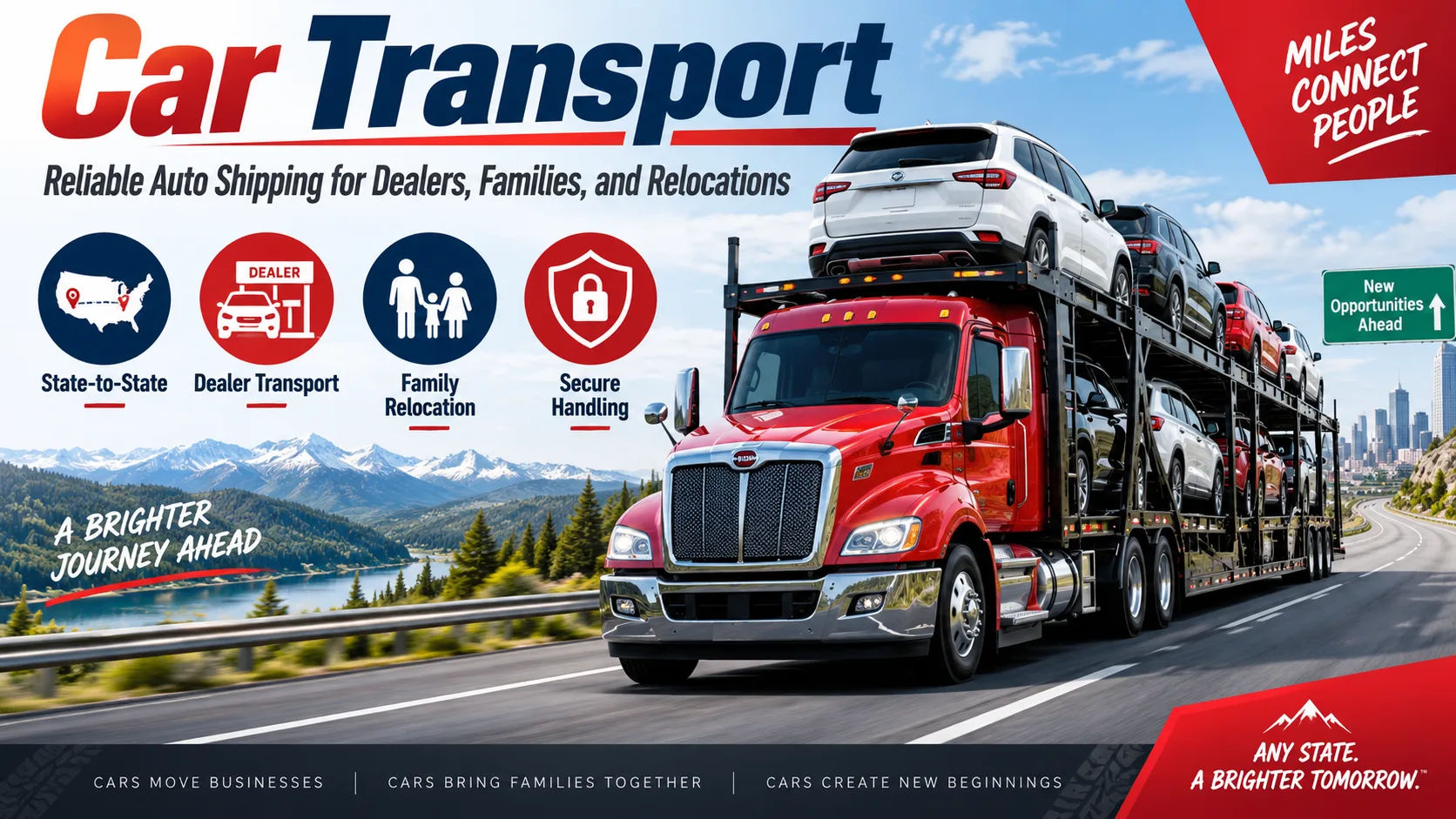
Open transport is the option most people choose. Vehicles are placed on an open trailer that can carry several cars at once.
It is generally more affordable and widely available because transport companies can move multiple vehicles along the same route. Your vehicle may be exposed to normal road conditions such as dust, rain, wind, and road debris.
For most everyday vehicles, this is a practical choice.
Enclosed Car Transport
Enclosed transport places vehicles inside a covered trailer. It offers additional protection from weather and road debris.
This option is commonly considered for classic cars, collector vehicles, luxury automobiles, and other cars where protecting the exterior is especially important.
It usually costs more than open transport, but the additional protection can be worthwhile for a valuable or delicate vehicle.
Research the Transport Company
Choosing a reliable carrier is one of the most important steps when you ship car across country.
Do not make your decision based solely on the lowest quote. A very cheap estimate can sometimes come with limited communication, unexpected fees, or poor scheduling.
Look for a company that clearly explains its pricing, transportation method, insurance coverage, pickup process, and delivery expectations.
Ask whether the company is a carrier or a broker. A broker arranges transportation through carriers, while a carrier physically transports the vehicle. Understanding who will actually handle your car can prevent confusion later.
You should also read recent customer reviews and look for consistent feedback about communication, delivery, vehicle handling, and billing.
Get an Accurate Shipping Quote
Once you have identified potential transport companies, provide accurate information about your vehicle.
The quote can depend on several factors, including the pickup and delivery locations, vehicle size, transportation type, time of year, route demand, and flexibility of your dates.
Tell the company whether your car is running or non-running. A vehicle that cannot start, steer, or brake may require additional equipment during loading.
Be cautious about quotes that appear unusually low compared with several other estimates. Ask what is included and whether there are circumstances that could increase the final price.
A clear quote is much easier to plan around than an attractive initial price followed by unexpected charges.
Schedule the Shipment Early
Timing matters when you ship car across country.
Try to arrange transportation before your preferred pickup date rather than waiting until the last minute. Transport companies coordinate multiple vehicles and routes, so availability can change quickly.
Give yourself extra time if you are moving during a busy season, around major holidays, or during periods when relocation demand is high.
It is also important to understand that a pickup date is often a window rather than a guaranteed appointment at a specific hour. Traffic, weather, mechanical problems, and other deliveries can affect a driver's schedule.
Build some flexibility into your plans.
Clean the Vehicle Before Pickup
Cleaning your vehicle is more than a cosmetic step.
Wash the exterior and clean the interior before handing it over. A clean vehicle makes it much easier to identify existing scratches, dents, chips, cracks, or other damage.
Pay particular attention to the bumpers, doors, mirrors, wheels, windshield, roof, and lower body panels.
You do not need to make the car look brand new. The goal is simply to create a clear baseline condition before transportation.
Document Existing Damage
One of the most important things you can do before you ship car across country is document the vehicle thoroughly.
Take photographs of the entire car from multiple angles. Include close-up pictures of any existing scratches, dents, paint chips, cracks, or other imperfections.
Photograph the odometer as well.
For additional protection, take pictures shortly before the vehicle is picked up and keep them somewhere safe. Your transport company will also conduct a vehicle inspection and document its condition on the bill of lading.
Compare the condition at delivery with the condition recorded at pickup.
If you notice new damage, document it immediately and notify the carrier before signing paperwork that indicates everything was received without issues.
Remove Personal Belongings
Your vehicle should generally be transported with very few items inside.
Remove luggage, electronics, documents, clothing, valuables, loose accessories, tools, and other personal belongings. Items left inside can move around during transportation and potentially damage the interior.
There is also a practical reason to remove valuables. Transport insurance generally concerns the vehicle itself rather than covering your personal property in the same way your household or renters insurance might.
Check the trunk, glove compartment, center console, door pockets, and under-seat areas carefully.
People often remember the obvious items and forget smaller belongings hidden throughout the cabin.
Keep the Fuel Level Low
Most carriers recommend leaving only a small amount of fuel in the tank.
A nearly empty tank reduces unnecessary weight and makes the vehicle safer and easier to handle during transportation. However, the car should generally have enough fuel for loading, unloading, and basic movement.
Your carrier can provide the specific fuel-level requirement for your shipment.
Do not assume that filling the tank before transportation is helpful. In most cases, it is unnecessary.
Check for Mechanical Problems
Your vehicle should be mechanically prepared before pickup.
Check the battery, tires, fluid leaks, brakes, and general operating condition. Make sure the driver knows about any known mechanical issues.
If the vehicle has a weak battery, damaged tires, leaking fluids, or other problems, tell the transport company beforehand.
A non-running vehicle can often still be transported, but the carrier may need additional equipment such as a winch.
Trying to hide a mechanical problem can create complications during pickup.
Disable or Secure Alarms
If your vehicle has an alarm system, learn how to disable it before transportation.
An alarm that activates repeatedly while the vehicle is on a trailer can create an unnecessary problem for the driver.
If the alarm cannot be completely disabled, provide clear instructions to the carrier.
Also secure removable exterior accessories. Items such as antennas, custom spoilers, loose roof accessories, or other detachable components can potentially be damaged during loading or transportation.
Check the Tires and Battery
Proper tire pressure is important because the vehicle needs to be moved safely during loading and unloading.
Check the manufacturer's recommended tire pressure rather than simply adding air without checking the specifications.
The battery should also be securely mounted.
If your vehicle has unusual battery requirements or a known electrical problem, inform the transport company. This information helps the driver prepare appropriate equipment and avoid unnecessary delays.
Check for Leaks
Walk around the vehicle and look underneath it for signs of leaking oil, coolant, brake fluid, transmission fluid, or other substances.
Small leaks may become more noticeable after a long period of transportation.
If you identify a leak, have it inspected before the shipment whenever possible. If it cannot be repaired before transportation, tell the carrier.
This is especially important because fluid leaking onto another vehicle or the transport equipment can create a serious problem.
Prepare Your Documents
Have the necessary vehicle and shipment information available before pickup.
Depending on the transport company and circumstances, you may need identification, registration, proof of ownership, insurance information, and other documentation.
Make sure the pickup and delivery addresses are accurate.
If the driver cannot safely reach the exact address because of narrow streets, low bridges, restricted roads, or limited space, arrange a nearby meeting location in advance.
Clear communication can prevent a stressful pickup.
Understand the Bill of Lading
The bill of lading is an important document when you ship car across country.
It records information about the vehicle and its condition at pickup and delivery. The driver typically uses it as part of the inspection process.
Read it carefully before signing.
Make sure the vehicle description, mileage, existing damage, and other important details are accurate. If something is incorrect, bring it to the driver's attention before the vehicle leaves.
Keep your copy of the paperwork until the shipment has been completed and you are satisfied with the vehicle's condition.
Prepare for Pickup Day
On pickup day, make sure the vehicle is accessible.
Avoid parking it behind another vehicle or in an area where the transport truck cannot maneuver.
The driver may need significant space to position the trailer and safely load the vehicle.
Keep your phone nearby in case the driver calls about the meeting point or arrival time.
Give yourself enough time for the inspection. Rushing through the process can make it easier to overlook existing damage or paperwork errors.
What to Expect During Transportation
After your vehicle is loaded, avoid expecting constant updates.
Long-distance transport involves changing road conditions, traffic, weather, driver regulations, and multiple delivery points. The estimated delivery time is therefore not always an exact arrival appointment.
When you ship car across country, ask the company how it provides tracking updates.
Some carriers offer GPS tracking, while others provide updates by phone or text.
The important thing is to understand the communication process before the vehicle leaves.
Prepare for Vehicle Delivery
Preparation does not end when the car reaches its destination.
Before accepting the vehicle, inspect it carefully in good lighting if possible.
Walk around the exterior and compare its condition with the documentation from pickup.
Check the bumpers, doors, mirrors, windows, wheels, roof, hood, trunk, and other visible areas.
Look inside the vehicle as well.
If something appears different from its condition at pickup, document it with photographs and notify the carrier immediately. Follow the company's claims procedure rather than assuming the issue can be resolved later without documentation.
Avoid Common Preparation Mistakes
Several simple mistakes can make vehicle shipping more difficult.
One common mistake is leaving too many belongings inside the car. Another is failing to photograph existing damage before pickup.
Some owners also forget to mention that their vehicle does not run or has special modifications.
Another mistake is assuming that a delivery date is guaranteed to the exact hour. Long-distance transportation involves variables that are outside the driver's control.
Finally, do not choose a carrier based solely on price. Reliability, communication, insurance information, experience, and clear terms are all important.
Final Checklist Before You Ship
Before you ship car across country, take a final walk around the vehicle.
Confirm that personal belongings have been removed, the fuel level meets the carrier's requirements, tires are properly inflated, and the battery is secure.
Make sure the vehicle is clean enough for a proper inspection.
Take photographs from several angles and record the mileage.
Confirm the pickup and delivery information with the transport company.
Have your required documents ready and make sure you understand the bill of lading.
Finally, make sure the driver knows about any mechanical issues, modifications, alarms, or special requirements.
These simple steps can prevent many common problems.
Conclusion
Preparing to ship car across country is mostly about eliminating surprises. The better your vehicle's condition is documented and the more clearly you communicate with the transport company, the easier the process tends to be.
Start by selecting a reputable transportation provider and getting a clear quote. Decide between open and enclosed transport based on your vehicle and budget. Schedule early, especially if your dates are important.
Before pickup, clean the vehicle, photograph existing damage, remove personal belongings, check the fuel level, inspect for leaks, and make sure the car can be loaded safely. Provide accurate information about any mechanical problems or special equipment.
During pickup, carefully review the vehicle inspection and bill of lading. At delivery, inspect the vehicle again before completing the process.
A long-distance vehicle shipment does not need to be stressful. Good preparation gives you a clear record of your car's condition, helps the carrier do its job properly, and gives you greater confidence from pickup through delivery.