
The Real-World Gap: Why Specs Don’t Match Your Roof
You check your app after a gray day, and the numbers look…meh. The second you hear “topcon solar cell,” you expect big gains, yet your array still dips when clouds roll in or a vent throws a sliver of shade. Field studies often show 5–10% energy lost to mismatch and partial shading, plus a few more points from soiling and heat. Now ask yourself: is your system leaving cheap energy on the table because the plan assumed a perfect sky? (It usually does.) We talk a lot about efficiency, but the roof is a battlefield of micro-losses—thermal drift, suboptimal MPPT windows, inverter clipping. Bold claim: the secret edge isn’t just in the cell; it’s in how that cell fights chaos.
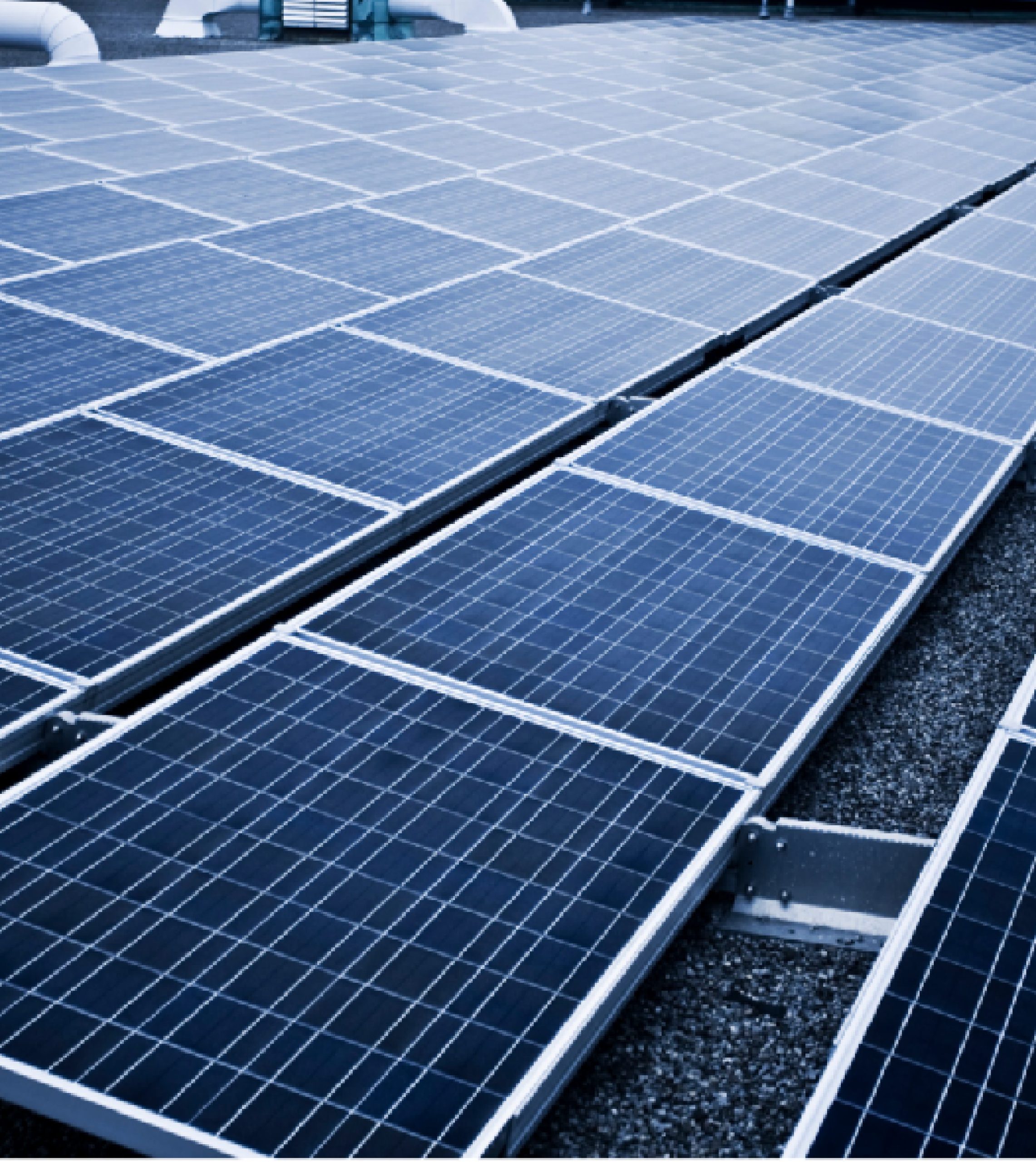
Here’s the kicker. Even great cells can sag under poor balance-of-system choices, slow MPP tracking, or a hot mounting surface that pushes the IV curve the wrong way—funny how that works, right? Data says energy yield, not lab efficiency, pays the bill. So, if the spec sheet brag reads 23% but the energy yield lags, what gives? Let’s chart the gap, piece by piece, and ask better questions about the stack—from wafers to inverters to power converters. Quick hop to the next section; the real culprit might be the “standard fix” you were told to trust.
Deeper Layer: The Tricky Flaws in the “Just Add Watts” Playbook
Why do “efficient” cells still lag?
Part 1 framed the basics. Now, let’s get clinical, because the usual fix—oversize modules or chase higher wattage—often masks the issue rather than solving it. With architectures like the topcon battery, you’re already gaining from a tunneling oxide and passivated contact stack. Look, it’s simpler than you think: the bottleneck is frequently downstream. Inverters and power converters don’t always hold the true maximum power point when shade, heat, or rapid irradiance shifts hit. That means your fancy passivated contact is ready to deliver current, but the system handoff stumbles. Add in junction temperature spikes from tight racking, and the IV curve slides off target. Net effect: energy leaves the roof without ever touching your meter.
The second flaw? Treating bifacial modules like single-face glass. TOPCon thrives with rear-side response, but many arrays ignore albedo setup, cable routing shadows, or row-to-row height that unlocks bifacial gain. Even small occlusions nudge mismatch up. And if your site uses conservative stringing rules copied from older PERC playbooks, TOPCon’s low-light response gets throttled. In plain terms, the cell’s physics outperform the system rules. That’s the hidden pain point: design and controls lag the device. Bring the rules up to date, and the energy shows up.
Comparative Clarity: How TOPCon Pulls Ahead—and Stays There
What’s Next
Let’s look forward and compare mechanics, not just labels. PERC built the last decade by improving rear-surface passivation. TOPCon pushes further with tunneling oxide and a high-quality passivated contact that slashes recombination and keeps voltage strong under heat. That’s your base physics. But the real win comes when system logic keeps pace. Pair a topcon battery–class cell with faster MPP tracking, tighter thermal management, and smarter row design for bifacial gain, and the LCOE curve drops. Not by magic—by stacking small edges. Want a quick reality check? Compare noon-to-cloud transients: TOPCon holds current better in low-spectrum shifts, so a snappier controller turns that into usable kilowatt-hours—funny how the dull stuff creates the wow.

Future-facing sites will also sync array data with edge computing nodes for localized control—short loops, faster response. That means micro-mismatch gets corrected before it scales. Metallization tweaks and improved annealing steps keep contact resistance low, which helps harvest extra watt-hours during shoulder hours when the sun is moody. Summing the earlier points without repeating them: don’t oversell nameplate wattage, don’t underserve rear-side light, and don’t let the controller lag the physics. Advisory close: set your plan around three checks. One, verify real thermal coefficients and design for heat drift, not lab air. Two, test MPP tracking under fast irradiance ramps, not just steady sun. Three, model bifacial gain with actual site albedo and row geometry. Do those and you’ll see measurable yield lift, not just pretty specs. For a grounded view of factory-to-field integration, keep an eye on LEAD.