
Camel skin lamps are known for their warm glow, detailed artwork, and traditional craftsmanship. These decorative lamps are often associated with Moroccan and North African interiors, where artisans use natural materials and time-honored techniques to create distinctive lighting pieces. One common question buyers ask is whether camel skin lamps are hand painted by artisans or produced using modern manufacturing methods.
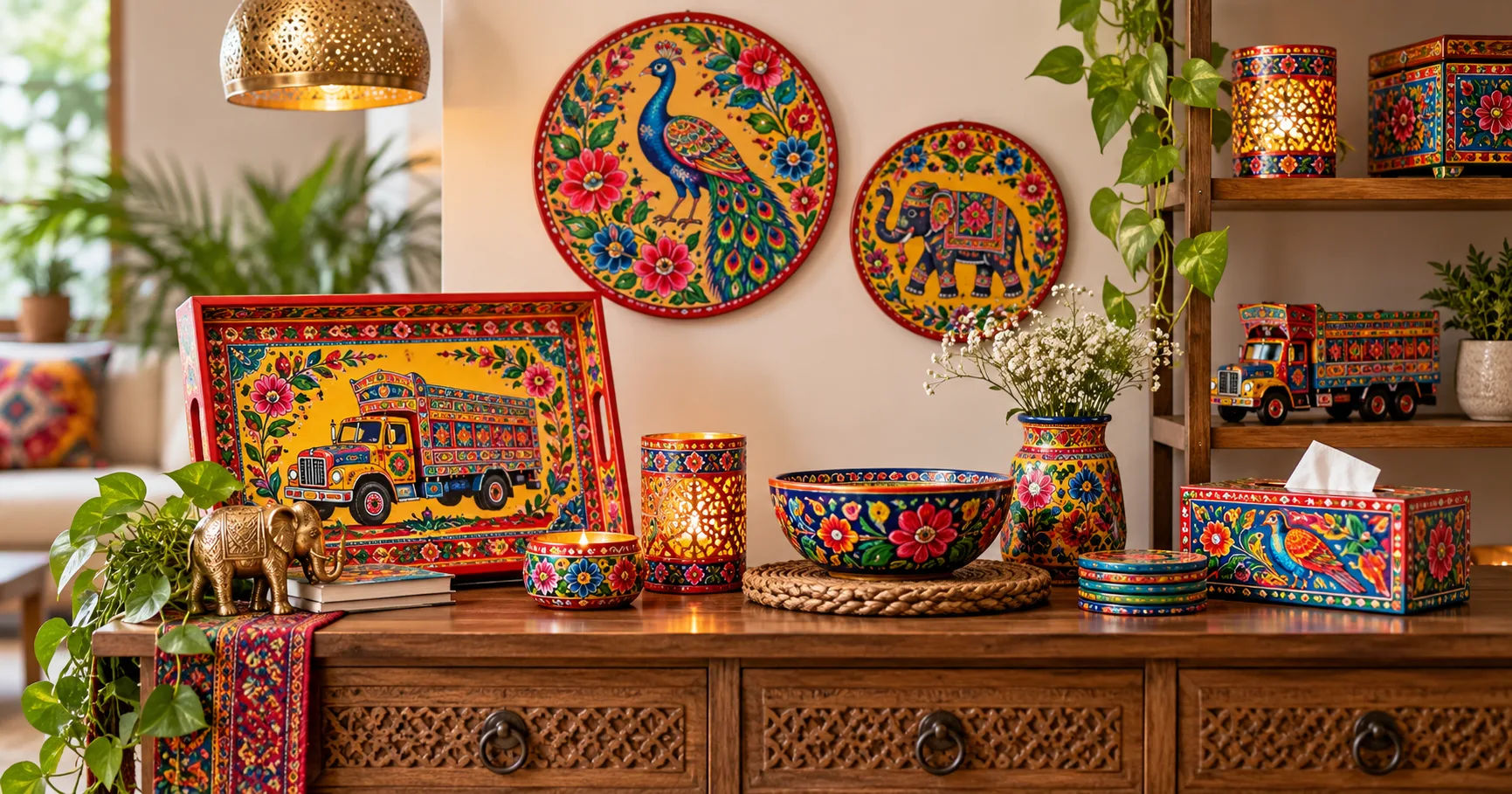
The answer is that many traditional camel skin lamps are hand painted by skilled craftspeople. However, the exact production process varies depending on the maker, design, and quality of the lamp. Some feature entirely hand-painted patterns, while others combine handmade frames with printed or machine-produced decorations.
Understanding how these lamps are made can help you appreciate their artistic value, recognize quality craftsmanship, and choose a piece that suits your home. From preparing the material to painting intricate designs, every stage can influence the lamp's appearance, durability, and uniqueness.
What Are Camel Skin Lamps?
Camel skin lamps are decorative lighting fixtures traditionally made using a stretched animal-hide covering attached to a frame. Artisans may use camel hide or other suitable materials, depending on the region and manufacturer. These lamps are particularly associated with Moroccan-inspired decorative arts.
Their defining feature is the translucent covering, which allows light to pass through the material. When illuminated, the lamp creates a soft, warm atmosphere that highlights the artwork on its surface.
Traditional designs often include geometric patterns, floral motifs, stars, and intricate decorative borders. Some lamps feature colorful illustrations, while others use natural shades of cream, brown, and amber.
Why Are These Lamps Special?
The appeal of these lamps comes from the combination of traditional techniques and practical decoration. Instead of producing a uniform appearance, handcrafting allows small differences in color, pattern, and texture.
These variations can make each lamp feel individual. For people who appreciate handmade furniture and cultural crafts, the artistic details can be just as important as the lighting itself.
However, not every lamp sold under a traditional or Moroccan-inspired label is handmade. Buyers should check the product description and ask the seller about its actual materials and production methods.
Are Camel Skin Lamps Usually Hand Painted?
Many traditional camel skin lamps are decorated by hand, but hand painting is not guaranteed for every product. The method depends on the artisan, workshop, price range, and intended design.
In traditional production, a craftsperson may apply patterns directly to the prepared hide using brushes and suitable pigments. The artisan carefully controls the lines, colors, and spacing to create a balanced design.
More affordable commercial versions may use printed patterns, stencils, or other manufacturing techniques. Some products combine handmade and machine-assisted processes.
The Role of Traditional Artisans
Artisans contribute more than decorative skill. They may select the material, prepare the covering, assemble the frame, and determine how the design will interact with the light.
Their experience helps them understand how the covering responds to tension, how colors appear when illuminated, and how to arrange patterns across curved surfaces.
A skilled craftsperson can also adjust the artwork to fit the shape of the lamp. This is particularly important for lanterns with rounded bodies, narrow openings, or unusual proportions.
Hand-Painted Versus Printed Designs
A hand-painted design may contain subtle differences in line thickness, spacing, or color application. These details can indicate individual workmanship, although they are not definitive proof of authenticity.
Printed designs generally look more consistent across multiple products. Repeated patterns may have identical shapes, colors, and positioning.
Neither method automatically determines the overall quality of a lamp. A well-made printed lamp can be attractive and durable, while a poorly finished handmade lamp may have structural problems.
The best choice depends on whether you value individual craftsmanship, affordability, consistent decoration, or a particular artistic style.
How Artisans Make Traditional Camel Skin Lamps
The manufacturing process can vary between workshops, but traditional production often involves several important stages.
1. Selecting and Preparing the Material
The process begins with choosing a suitable covering material. In traditional examples, this may be camel hide, although other animal hides and synthetic substitutes are also available.
If genuine hide is used, it must be properly processed and prepared before it can be stretched over a frame. Preparation helps create a workable surface and reduces problems caused by uneven texture or unsuitable material.
The final appearance depends partly on the natural characteristics of the hide. Variations in thickness, texture, and color can influence how the finished lamp looks when illuminated.
Buyers should confirm the material rather than assuming every product described as a camel skin lamp contains genuine camel hide.
2. Constructing the Frame
The frame provides the lamp with its shape and structural support. Depending on the design, it may be made from metal, wood, or another suitable material.
Traditional lanterns may include decorative metalwork, curved sections, or geometric structures. The frame must support the covering while allowing the lamp to stand securely or hang safely.
Careful construction is essential because a poorly fitted frame can cause the covering to loosen or the lamp to become unstable.
3. Stretching the Covering
Once the frame is ready, the prepared covering is fitted and secured. This stage requires care because excessive tension may damage the material, while insufficient tension can create wrinkles or an uneven surface.
A smooth covering provides a better foundation for painting. It also helps the finished lamp distribute light more evenly.
The technique used depends on the lamp's shape and the material's flexibility.
4. Creating the Artwork
This is the stage where the lamp develops its distinctive visual character. An artisan may sketch the design, mark important sections, and apply paint using small brushes.
Common decorative elements include symmetrical lines, floral patterns, stars, arches, and repeating geometric shapes. Some designs are simple and understated, while others cover most of the visible surface.
Color selection is important because the design must look attractive in daylight as well as when the lamp is switched on.
The artisan may use multiple colors and layers to produce contrast and detail. Depending on the technique, the paint may be allowed to dry between applications.
5. Finishing and Inspection
After decoration, the lamp may require additional finishing and inspection. The craftsperson checks the appearance, attachment points, frame stability, and overall construction.
Any finishing treatment must be compatible with the covering and intended lighting system. Not every material is suitable for every coating or heat level.
For lamps intended for electrical use, the lighting components must also be appropriate for the design. A decorative covering should never be treated as automatically safe simply because it is handmade.
How to Recognize Hand-Painted Camel Skin Lamps
If you want an authentic artisan-made piece, several details can help you evaluate the product.
Look for Small Artistic Variations
Hand-painted patterns may show slight differences in line thickness, spacing, or brushwork. These variations can be natural results of manual work.
However, irregularities alone do not prove that a lamp is handmade. Low-quality printing and imperfect finishing can create similar effects.
Consider the overall consistency and quality of the artwork instead of relying on a single detail.
Examine the Pattern Closely
Look at repeated motifs, borders, and decorative elements. Machine-printed patterns may repeat with nearly identical spacing, while hand-painted designs may have subtle differences.
Some artisans also use stencils to maintain symmetry. Therefore, a highly consistent pattern can still involve handmade work.
Ask the seller which parts are painted by hand and whether any printing or stencil techniques are used.
Check the Material and Frame
A quality lamp should have a covering that is securely fitted and a frame that feels stable. Look for loose edges, uneven joints, visible damage, and poorly finished sections.
If the product description claims to use genuine camel hide, ask for confirmation of the material. Clear photographs and detailed specifications can help you make a more informed decision.
Ask About the Artisan and Origin
A trustworthy seller should be able to explain where the lamp was made and how it was produced. Information about the workshop, materials, and painting process can provide useful context.
Some sellers may offer photographs of the production process or explain which stages are completed by hand.
Be cautious of unsupported claims such as completely handmade, authentic antique, or traditionally painted when no meaningful details are provided.
What Designs Can Artisans Paint on Camel Skin Lamps?
One reason these lamps remain popular is the variety of designs available. Their decorative surfaces can accommodate different colors, patterns, and artistic themes.
Geometric Patterns
Geometric designs feature repeating shapes, straight lines, circles, and symmetrical arrangements. These patterns can create an organized, balanced appearance.
They work well in Moroccan-inspired interiors, traditional living rooms, and spaces with decorative metal furniture.
Floral and Nature-Inspired Artwork
Floral motifs include leaves, flowers, vines, and curved branches. These designs can soften the appearance of a lamp and make it suitable for bedrooms, reading corners, or relaxed living spaces.
Some artisans combine natural motifs with geometric borders for a more detailed finish.
Cultural and Decorative Motifs
Certain lamps feature designs inspired by regional architecture, traditional ornamentation, or historical decorative styles.
The exact meaning of a motif depends on its origin and the artist's intention. Buyers should avoid assuming that every pattern has a specific cultural or symbolic meaning without reliable information.
Custom Hand-Painted Designs
Some workshops accept requests for custom colors, patterns, or sizes. A customer may choose a design that complements existing furniture or matches a particular interior theme.
Customization can require additional time and expense because the artisan must plan and apply the requested artwork.
Before placing an order, confirm whether the design will be painted by hand, reproduced through printing, or created using a combination of techniques.
Benefits of Choosing Artisan-Made Camel Skin Lamps
Each Piece Can Have Its Own Character
Hand-painted decoration often gives a lamp a distinctive appearance. Small variations can make the artwork feel personal rather than identical to mass-produced home accessories.
This individuality can appeal to collectors and homeowners who enjoy handcrafted objects.
Warm and Decorative Lighting
The translucent covering can soften the light and create an inviting atmosphere. Depending on the material, color, pattern, and bulb, the lamp may cast decorative shadows or create a warm visual effect.
These lamps can work as accent lighting in living rooms, bedrooms, hallways, and covered outdoor-style spaces when the product is specifically suitable for those conditions.
Support for Traditional Craftsmanship
Purchasing directly from a responsible artisan or workshop may help support skilled craft workers and preserve traditional production techniques.
Ask sellers about the maker, sourcing practices, and production location if these factors matter to you.
A Distinctive Interior Design Feature
A camel skin lamp can serve as a focal point in a room. Its patterns and warm light can complement wooden furniture, textured fabrics, rugs, and other traditional decorative objects.
For a balanced look, choose a lamp whose size and colors suit the surrounding space rather than allowing it to overwhelm the room.
How to Care for Hand-Painted Camel Skin Lamps
Proper care helps preserve the covering, artwork, and frame.
Clean the Surface Gently
Use a soft, dry cloth to remove dust. Avoid soaking the covering or applying household cleaners without checking the manufacturer's instructions.
Moisture and harsh chemicals may damage natural hide, paint, or protective finishes. If the surface becomes stained, consult the seller about a suitable cleaning method.
Keep the Lamp Away From Excessive Moisture
Natural materials may respond poorly to humidity, water, and sudden environmental changes. Unless the manufacturer confirms otherwise, keep the lamp in a dry indoor location.
Avoid placing it where rain, splashes, or condensation can reach the covering.
Use Suitable Lighting Components
Heat management is particularly important for lamps with natural coverings. Use only the bulb type, wattage, and electrical components recommended by the manufacturer.
LED bulbs often produce less heat than comparable traditional incandescent bulbs, but the complete fixture must still be suitable for the selected bulb. Follow all electrical safety instructions and do not use damaged wiring.
Store It Carefully
If you need to store the lamp, protect it from crushing, moisture, and direct sunlight. A clean, dry location can help prevent deterioration.
Avoid placing heavy objects against the covering, as pressure may stretch or damage it.
How Much Should You Pay for an Artisan-Made Lamp?
Prices vary widely depending on size, material, construction, decorative complexity, and the maker's reputation.
A small, simply decorated lamp may cost less than a large lantern with detailed artwork and an elaborate metal frame. Custom designs and documented artisan production may also affect the price.
Rather than choosing a lamp based on price alone, compare its materials, dimensions, finish, and construction quality.
Ask whether the quoted price includes the electrical fittings, bulb, hanging hardware, and delivery. If the lamp is advertised as handmade, clarify exactly which parts are made or decorated by hand.
A higher price does not automatically guarantee superior craftsmanship, so look for clear product information and reliable seller communication.
Frequently Asked Questions
Are all camel skin lamps hand painted?
No. Many traditional examples feature hand-painted artwork, but commercial versions may use printed designs, stencils, or mixed production methods. Check the seller's description to confirm the process.
Can I order a custom-painted camel skin lamp?
Some artisans offer custom designs, colors, and dimensions. Availability depends on the workshop, and custom work may take longer than purchasing a ready-made lamp.
Are camel skin lamps made from real camel hide?
Some traditional lamps use genuine camel hide, while others use different animal hides or synthetic materials. Always verify the material with the seller.
Do hand-painted designs last a long time?
Their durability depends on the paint, preparation, finishing, storage conditions, and exposure to light or moisture. Gentle cleaning and following the manufacturer's care instructions can help preserve the artwork.
Are camel skin lamps safe to use at home?
They can be suitable for home use when manufactured with appropriate materials and electrical components. Follow the manufacturer's bulb and wattage recommendations, inspect wiring regularly, and keep the covering away from excessive heat.
How can I find a reliable seller?
Look for detailed product photographs, transparent material descriptions, clear return policies, and specific information about the manufacturing process. Sellers who can explain the origin and craftsmanship of their products are generally easier to evaluate.
Conclusion
Camel skin lamps can be beautiful examples of traditional decorative craftsmanship, especially when their designs are painted by skilled artisans. Hand-painted artwork, carefully prepared coverings, and well-constructed frames can give these lamps a distinctive character that suits many interior styles.
However, not every product sold under this name is entirely handmade. Some feature printed patterns, synthetic coverings, or a mixture of traditional and modern manufacturing techniques. Understanding these differences helps buyers choose a lamp that meets their expectations.
When shopping for camel skin lamps, examine the artwork, verify the material, ask about the artisan's process, and check the quality of the frame and electrical fittings. Consider the lamp's maintenance requirements and intended location before making a purchase.
Ultimately, the best lamp is one that combines attractive design, reliable construction, suitable lighting, and honest product information. Whether you prefer intricate traditional patterns or a simpler decorative style, choosing carefully can help you enjoy the beauty of artisan-inspired lighting for years to come.