
When exploring global cuisine, few topics are as flavorful and diverse as middle eastern appetizers. These small dishes are packed with herbs, spices, creamy textures, and fresh ingredients that reflect centuries of culinary tradition.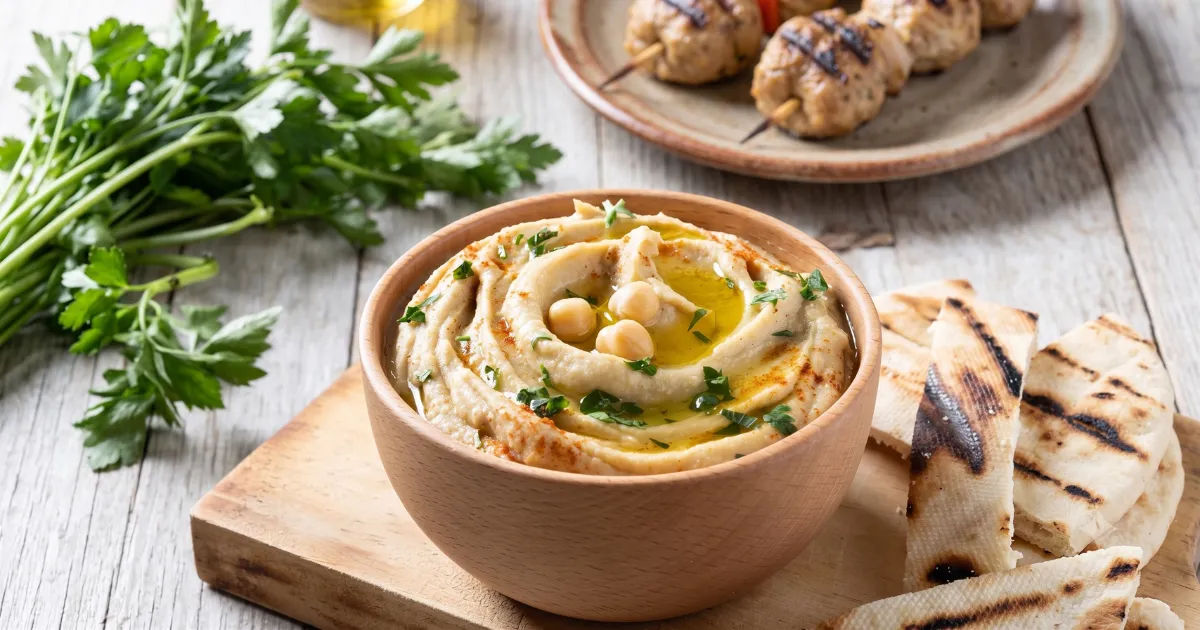
From smooth chickpea spreads to smoky eggplant dips, middle eastern appetizers offer a wide variety of flavors that are both comforting and exciting for beginners and food lovers alike.In this guide, we will explore the most popular Middle Eastern dip-style appetizers, how they are made, why they are loved, and how you can serve them at home.
Whether you are hosting a party or simply learning about global food culture, understanding middle eastern appetizers will give you a deeper appreciation of this rich culinary world.
What Makes Middle Eastern Dip Appetizers So Popular?
Middle Eastern cuisine is known for balance—flavor, nutrition, and simplicity all come together in harmony. Dip-style foods are especially popular because they are easy to prepare, share, and pair with bread or vegetables.
One of the reasons middle eastern appetizers are so widely loved is their versatility. They can be vegan, gluten-free, high in protein, or rich and creamy depending on the ingredients used. This adaptability makes them suitable for almost every diet and occasion.
Another reason for their popularity is their communal nature. Most middle eastern appetizers are served in shared platters, encouraging family-style eating and conversation.
Hummus: The Most Famous Chickpea Dip
Hummus is arguably the most recognized dip in Middle Eastern cuisine. Made from chickpeas, tahini, lemon juice, garlic, and olive oil, it is smooth, creamy, and nutritious.
It is often the first dish people think of when discussing middle eastern appetizers, and for good reason. Hummus is rich in plant-based protein and fiber, making it both filling and healthy.
It is typically served with warm pita bread, fresh vegetables, or used as a spread in sandwiches. In many homes, hummus is a daily staple and a symbol of hospitality in middle eastern appetizers culture.
Baba Ghanoush: Smoky Eggplant Delight
Baba ghanoush is another classic dip that showcases the smoky flavor of roasted eggplant. The eggplant is charred, peeled, and blended with tahini, garlic, lemon juice, and olive oil.
This dip is softer and more earthy compared to hummus. It is often included in platters of middle eastern appetizers because of its unique flavor profile.
Baba ghanoush is especially popular among those who enjoy smoky, roasted flavors and want a lighter alternative to chickpea-based dips.
Muhammara: A Spicy Walnut and Pepper Dip
Muhammara is a vibrant red dip made from roasted red peppers, walnuts, breadcrumbs, olive oil, and pomegranate molasses. It originates from Syria and has a slightly spicy, tangy, and nutty taste.
Among middle eastern appetizers, muhammara stands out because of its bold flavor and deep color. It pairs beautifully with pita bread, crackers, or grilled meats.
Its balance of sweetness, spice, and acidity makes it one of the most complex dips in the region.
Labneh: Creamy Yogurt-Based Dip
Labneh is a strained yogurt dip that is thick, creamy, and slightly tangy. It is often drizzled with olive oil and topped with herbs like mint, za’atar, or thyme.
In many households, labneh is a daily breakfast item and an essential part of middle eastern appetizers spreads. It can be served plain or shaped into small balls and preserved in olive oil.
Its light texture makes it a refreshing contrast to richer dips like hummus or muhammara.
Tzatziki and Regional Variations
While tzatziki is more commonly associated with Greek cuisine, similar yogurt-based dips exist across the Middle East. These dips often include cucumber, garlic, and herbs mixed with yogurt.
Such variations are frequently included in modern spreads of middle eastern appetizers, especially in fusion dining or Mediterranean-inspired meals.
These yogurt dips are cooling, refreshing, and perfect for balancing spicy or grilled dishes.
Toum: The Bold Garlic Dip
Toum is a strong, fluffy garlic sauce made from garlic, oil, lemon juice, and salt. It has a light, whipped texture but an intense garlic flavor.
In many Levantine meals, toum is served alongside grilled chicken, shawarma, or roasted vegetables. It is also becoming increasingly popular in modern middle eastern appetizers platters.
Because of its strong taste, toum is usually used in small amounts, but it adds a powerful punch of flavor.
Mutabbal: Eggplant with Tahini Twist
Mutabbal is often confused with baba ghanoush, but it is usually creamier and includes more tahini and yogurt. This gives it a richer, silkier texture.
It is a staple in many traditional spreads of middle eastern appetizers and is enjoyed with olive oil, parsley, and pita bread.
Mutabbal is especially loved for its balanced flavor, combining smokiness with creamy richness.
Hummus Variations Across the Region
While classic hummus remains popular, many variations exist across the Middle East. These include beet hummus, avocado hummus, spicy hummus, and even lentil-based versions.
These creative twists are now commonly featured in modern middle eastern appetizers menus around the world.
Each variation keeps the core idea of chickpeas and tahini but introduces new colors and flavors.
Healthy Benefits of Middle Eastern Dip Appetizers
One of the biggest advantages of these dips is their nutritional value. Most are made from whole ingredients like vegetables, legumes, olive oil, and yogurt.
Many middle eastern appetizers are naturally high in fiber, healthy fats, and plant-based protein. They also avoid heavy processing, making them a cleaner food choice.
For example, hummus provides sustained energy, while labneh offers probiotics that support gut health.
How to Serve Middle Eastern Dip Appetizers
Presentation is an important part of enjoying these dishes. Typically, dips are arranged on large plates and surrounded by fresh bread, olives, and vegetables.
A well-prepared platter of middle eastern appetizers often includes multiple dips so guests can mix and match flavors.
Warm pita bread, cucumber slices, carrot sticks, and cherry tomatoes are common accompaniments.
Serving these dips in small bowls with olive oil drizzles and herbs enhances both taste and visual appeal.
Pairing Ideas for Parties and Gatherings
These dips are perfect for social events because they are easy to prepare in advance and serve in large quantities.
A typical party spread of middle eastern appetizers might include hummus, baba ghanoush, labneh, muhammara, and toum, along with fresh bread and grilled items.
They pair well with grilled meats, falafel, or even simple rice dishes. Their flexibility makes them ideal for both casual and formal gatherings.
Why These Dips Are Loved Worldwide
The global popularity of these dips comes from their simplicity and adaptability. They are easy to customize, budget-friendly, and suitable for many dietary needs.
As international food culture grows, middle eastern appetizers continue to gain popularity in restaurants and home kitchens across the world.
Their bold flavors and healthy ingredients make them appealing to modern eaters who value both taste and nutrition.
Modern Fusion of Middle Eastern Dip Appetizers
Today, chefs around the world are experimenting with traditional recipes. Hummus bowls with toppings like avocado, roasted vegetables, and chili oil are becoming common.
Even traditional middle eastern appetizers like baba ghanoush are being served with modern twists such as truffle oil or spicy garnishes.
This fusion approach keeps the cuisine fresh while respecting its cultural roots.
Tips for Making the Best Dip Appetizers at Home
To get the best results, always use fresh ingredients. Fresh garlic, high-quality olive oil, and freshly squeezed lemon juice make a big difference.
Soaking chickpeas overnight improves hummus texture, while roasting eggplant over open flame enhances smoky flavor.
Homemade middle eastern appetizers often taste better than store-bought versions because they allow full control over seasoning and texture.
Cultural Importance of Dip-Based Appetizers
In Middle Eastern culture, food is deeply connected to hospitality and family life. Sharing food is a way of showing generosity and respect.
Dips are especially important in this tradition because they are made to be shared. Large platters of middle eastern appetizers often bring people together at the table.
This communal style of eating reflects warmth, unity, and cultural pride.
Conclusion
Middle Eastern dip-style appetizers are more than just food—they are a reflection of culture, history, and community. From hummus and baba ghanoush to labneh and muhammara, each dish tells a story of tradition and flavor.
As we have explored, middle eastern appetizers are diverse, healthy, and incredibly versatile. They can be served at parties, enjoyed as snacks, or included in full meals. Their global popularity continues to grow because they combine simplicity with rich, unforgettable taste.
Whether you are new to these dishes or already a fan, incorporating middle eastern appetizers into your meals is a delicious way to explore one of the world’s most beloved cuisines.