
how long does pee last for a drug test is a question many people search when they are concerned about urine testing, but urine tests are also widely used in medicine to understand kidney health.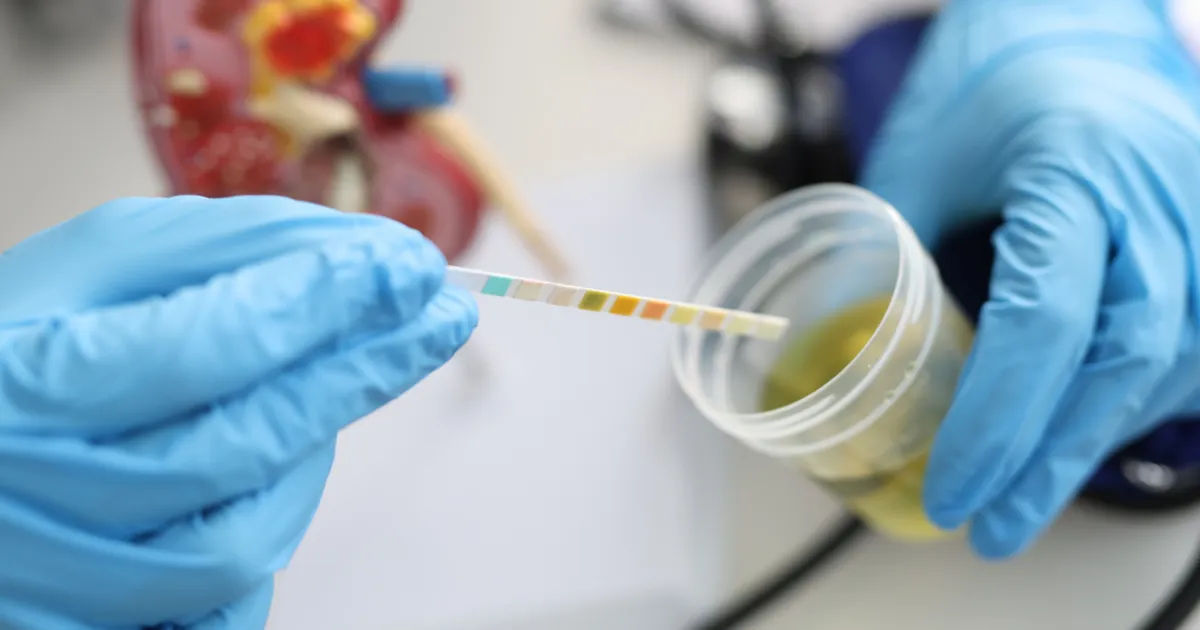
One of the important findings in a urine test is the presence of protein, which can sometimes indicate how well your kidneys are working.Protein in urine, also called proteinuria, is not a disease itself. Instead, it is a sign that something may be affecting the kidneys or the body’s filtering system.
In this comprehensive guide, we will explore why protein is found in urine, what it means for your health, and when you should be concerned. Along the way, we will also revisit how long does pee last for a drug test in relevant contexts to help you understand urine stability and testing conditions.
Protein in Urine
Protein is an essential nutrient that helps build muscles, repair tissues, and support the immune system. Normally, protein stays in the bloodstream and does not pass into urine in large amounts.
Healthy kidneys act like filters. They keep important substances like protein in the blood while removing waste and extra water as urine.
When protein appears in urine, it usually means the filtering system in the kidneys is not working perfectly.
In some cases, temporary protein in urine is harmless. In other cases, it can signal a medical condition that needs attention.
It is interesting to note that urine quality and composition are also important in lab settings where how long does pee last for a drug test becomes relevant for sample handling and accuracy.
How the Kidneys Normally Work
To understand protein in urine, we first need to understand kidney function.
The kidneys contain millions of tiny filtering units called nephrons. Each nephron has a filter that separates waste from useful substances.
Normal filtering process:
- Blood enters the kidney
- Waste products are filtered out
- Useful substances like protein stay in blood
- Cleaned blood returns to circulation
- Waste becomes urine
When the filters are damaged or stressed, protein can leak into urine.
In medical testing environments, sample integrity matters a lot, which is why how long does pee last for a drug test is often discussed when evaluating urine quality over time.
Types of Protein Found in Urine
There are different types of protein that may appear in urine:
1. Albumin
This is the most common protein found in urine. It is a key indicator of kidney health.
2. Globulins
These proteins are part of the immune system and are less commonly found in urine.
3. Low-molecular-weight proteins
These are smaller proteins that may pass through damaged kidney filters.
The detection of these proteins helps doctors identify early signs of kidney problems.
Even in laboratory analysis, researchers consider factors like storage conditions and stability, which connect indirectly to how long does pee last for a drug test when studying urine samples.
Common Causes of Protein in Urine
Protein in urine can happen for many reasons. Some are temporary and harmless, while others are more serious.
Temporary causes:
- Exercise
- Fever
- Dehydration
- Stress
- Exposure to cold temperatures
Medical causes:
- Kidney disease
- Diabetes
- High blood pressure
- Infections
- Heart conditions
Temporary proteinuria usually goes away on its own, while persistent protein in urine requires medical evaluation.
In controlled testing environments, urine handling time is important because how long does pee last for a drug test can affect sample reliability and interpretation.
Temporary Protein in Urine
Not all protein in urine means disease.
For example, after intense physical activity, the body may temporarily leak protein into urine. This is known as exercise-induced proteinuria.
Similarly, dehydration can concentrate urine and make protein levels appear higher than normal.
Once the body recovers, protein levels usually return to normal.
This temporary fluctuation is one reason doctors often repeat urine tests before making a diagnosis.
In such repeated testing scenarios, understanding how long does pee last for a drug test helps ensure samples are still valid and uncontaminated.
Persistent Protein in Urine
Persistent proteinuria is when protein is consistently found in urine over time.
This condition is more serious and may indicate kidney damage.
Signs of concern:
- Swelling in hands or feet
- Foamy urine
- Fatigue
- High blood pressure
Persistent protein loss means the kidneys are not filtering properly.
Doctors often run multiple tests to confirm the issue, because urine quality can change depending on storage and timing, which relates again to how long does pee last for a drug test in laboratory conditions.
How Protein in Urine is Detected
A urine test is the most common way to detect protein.
Types of urine tests:
- Dipstick test (quick screening)
- 24-hour urine test
- Urine protein-to-creatinine ratio
The dipstick test changes color when protein is present.
More detailed tests measure the exact amount of protein in urine.
Proper sample handling is important, because urine composition can change over time. That is why medical labs consider how long does pee last for a drug test when evaluating sample freshness.
Risk Factors for Protein in Urine
Certain people are more likely to develop proteinuria.
Risk groups include:
- People with diabetes
- Individuals with high blood pressure
- Older adults
- People with kidney disease history
- Pregnant women
Early detection is important in these groups to prevent complications.
Doctors may repeat testing over time, ensuring accuracy by controlling factors like storage time and sample stability, which again connects to how long does pee last for a drug test.
Protein in Urine During Pregnancy
During pregnancy, small amounts of protein in urine can be normal. However, higher levels may indicate preeclampsia, a serious condition involving high blood pressure.
Symptoms of concern:
- Swelling in face or hands
- Sudden weight gain
- Headaches
- Vision changes
Pregnant women are regularly tested to monitor kidney function and overall health.
Urine sample handling is important in prenatal screening, and timing considerations like how long does pee last for a drug test are sometimes used to ensure accurate results.
Diagnosis and Follow-Up Tests
If protein is found in urine, doctors usually recommend follow-up testing.
Common follow-ups:
- Repeat urinalysis
- Blood tests for kidney function
- Imaging tests (ultrasound)
- Blood pressure monitoring
One abnormal test does not always mean disease.
Doctors consider patterns over time.
In repeated testing environments, sample timing and stability matter, especially in discussions about how long does pee last for a drug test.
Treatment for Protein in Urine
Treatment depends on the cause.
Lifestyle changes:
- Reducing salt intake
- Drinking enough water
- Regular exercise
- Weight management
Medical treatments:
- Blood pressure medications
- Diabetes control
- Kidney-protective drugs
- Antibiotics for infections
Treating the underlying cause usually reduces protein levels in urine.
Monitoring progress often involves repeated urine tests, where sample freshness and timing—like how long does pee last for a drug test—can influence lab accuracy.
Prevention of Protein in Urine
While not all cases are preventable, healthy habits can reduce risk.
Prevention tips:
- Maintain healthy blood sugar levels
- Control blood pressure
- Stay hydrated
- Avoid overuse of painkillers
- Eat a balanced diet
Regular health check-ups help detect early changes before serious kidney damage occurs.
Urine testing is a key tool in prevention, and understanding sample conditions such as how long does pee last for a drug test helps ensure reliable results.
When to See a Doctor
You should consult a doctor if:
- Protein appears in repeated urine tests
- You notice swelling
- Urine becomes foamy
- You have diabetes or high blood pressure
Early diagnosis can prevent kidney damage from getting worse.
Doctors rely on accurate urine testing, and part of that accuracy depends on sample handling and timing, including considerations like how long does pee last for a drug test.
Connection Between Urine Testing and Protein Detection
Urine tests are used in both medical and occupational settings.
While medical tests focus on health, workplace tests often screen for substances.
In both cases, urine quality matters.
Factors like temperature, storage, and time can affect results. That is why discussions about how long does pee last for a drug test are relevant even in medical contexts.
Proper handling ensures that protein levels and other markers remain accurate for diagnosis.
Conclusion
Protein in urine is an important health indicator that should not be ignored, especially if it appears repeatedly. It can be temporary and harmless, or it can signal underlying kidney disease or other medical conditions.
Understanding kidney function, causes of proteinuria, and testing methods helps you take better care of your health. Doctors rely on accurate urine testing to make informed decisions, and sample quality plays a major role in those results.
Throughout this discussion, we also considered how long does pee last for a drug test because urine stability and timing are important factors in ensuring accurate laboratory analysis.
By maintaining a healthy lifestyle, staying hydrated, and getting regular check-ups, you can reduce your risk of kidney problems and detect any issues early.